Aktualności
400 Queens from Bioagra
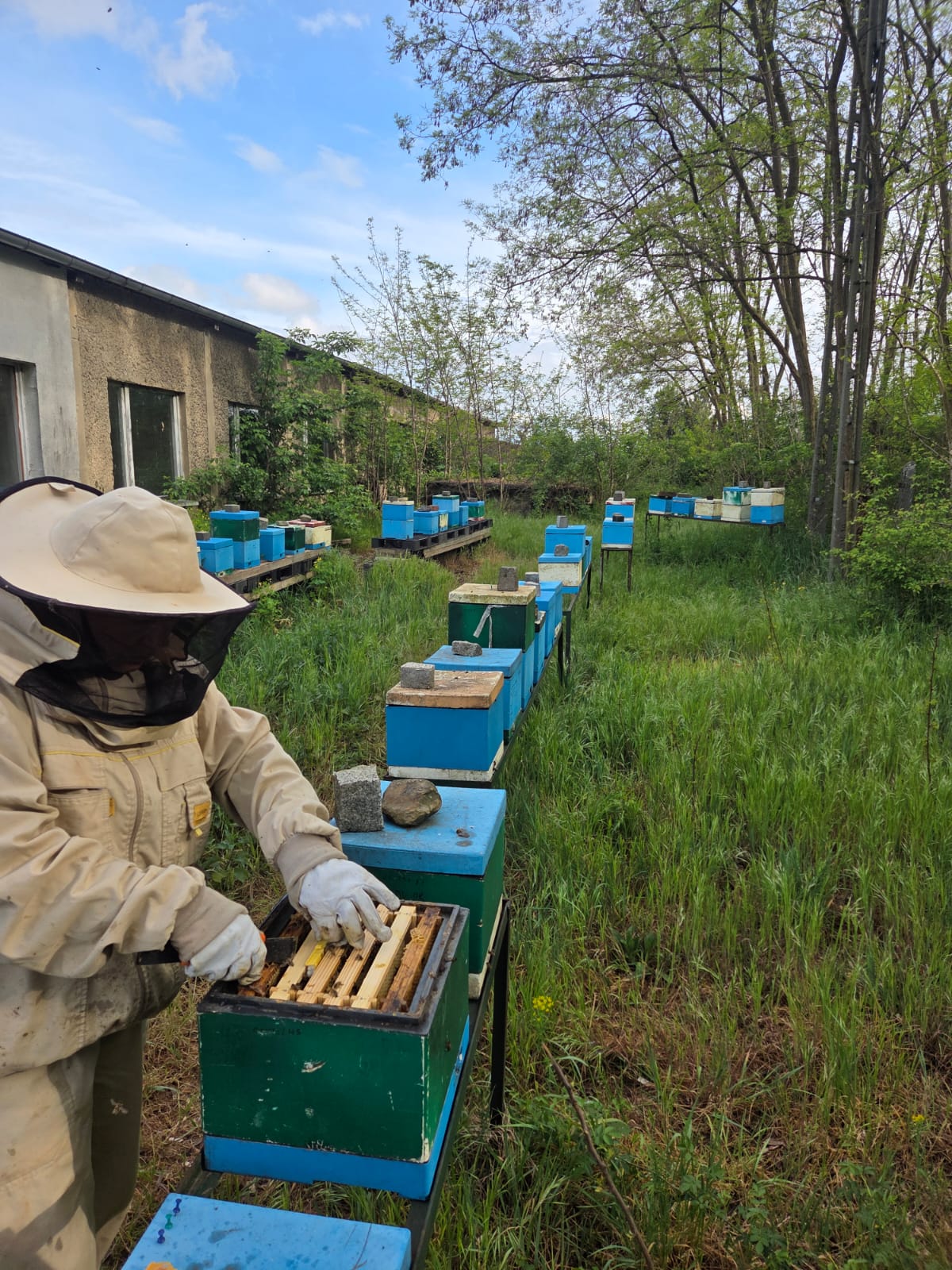
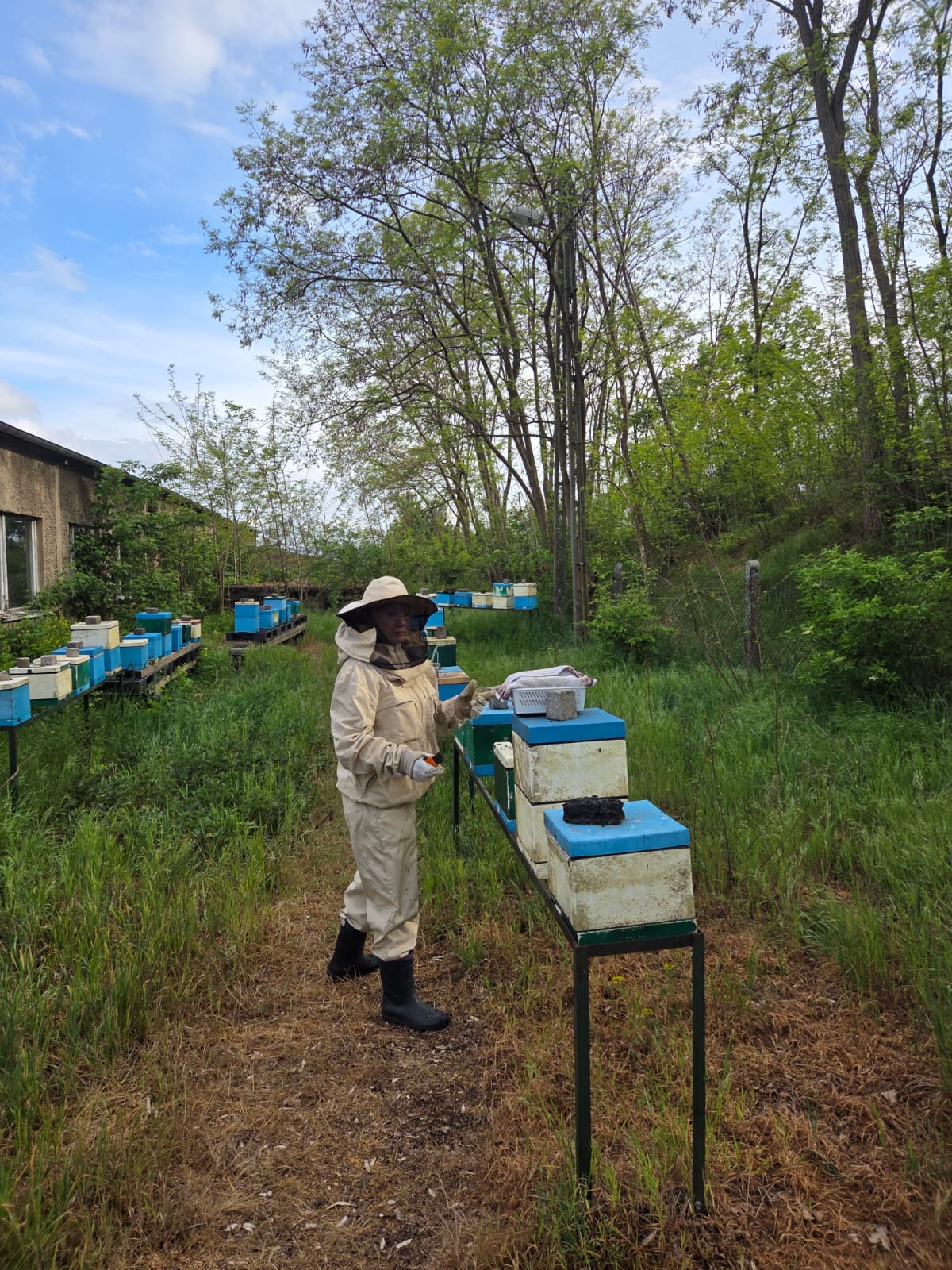
Local beekeeper Beata Malik, in cooperation with Bioagra, is running a unique queen bee breeding program. The project, conducted on a protected and monitored site near the “Goświnowice” Ethanol Production Plant, delivered an impressive result last year with several hundred queen bees raised.
Modern beekeeping faces many challenges, such as the loss of natural forage sources and a lack of insects adapted to specific regional conditions.
Queens Tailored to Local Conditions
“Breeding queen bees locally helps strengthen the local population because the queens are genetically matched to the conditions of the specific region, which directly affects their survival rate and productivity,” explains Beata Malik.
This allows beekeepers to avoid importing queens from distant regions, sparing the insects stress during transit—a factor that significantly weakens them.
Bees Feel Right at Home
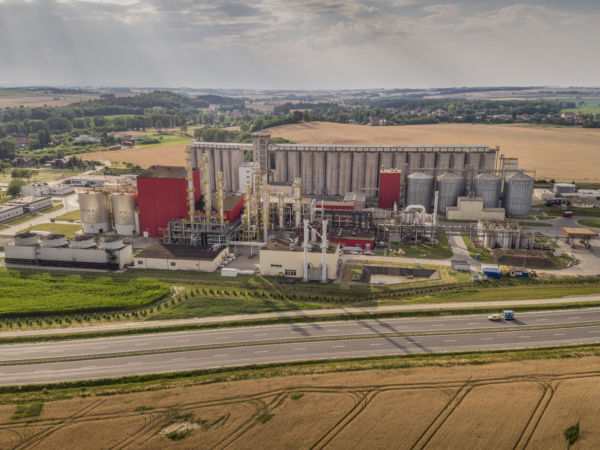
Bioagra’s facility offers ideal conditions for queen bee rearing. On the designated site, the bees remain entirely undisturbed, with access to a diverse diet, supported by pollen-rich trees and shrubs planted around the area by the company.
The breeding program, running since 2018, has yielded excellent results. Through targeted genetic selection, the new queens lead calm and industrious bee colonies that are far less prone to swarming (when bees abandon their hives). Last year alone, 400 queen bees were successfully raised—averaging around 5 per mating nucleus.
“A young queen bee manages the colony much better,” says Beata Malik. “Ultimately, this increases hive productivity and boosts the colony’s chances of survival.”
The Issue of Declining Forage
One of the biggest issues facing bees is food scarcity caused by monoculture farming and the removal of nectar-rich trees like basswood (linden) and black locust (acacia). This forces beekeepers to feed their colonies artificially, especially after the rapeseed harvest.
This makes initiatives by companies like Bioagra—which plant additional pollen-producing trees and shrubs on their premises—vital. Encouraging the planting of nectar and pollen-rich flowers to provide these insects with essential energy is equally crucial.
While bees did not experience the effects of the pandemic like humans did, they react severely to climate fluctuations, which limit their access to natural food sources.
Want to Help the Bees?
Anyone can contribute to improving conditions for pollinators by building a rich food source nearby and prioritizing insect safety.
May is the ideal time to sow annual plants that quickly create an abundant “bee cafe.” Here are examples of bee-friendly plants to sow in your garden or local space:
-
Lacy Phacelia: The undisputed queen of yield; grows exceptionally fast.
-
Sunflowers, Calendula, and Marigolds: Extremely resilient, they brighten up gardens and bloom straight into autumn.
-
Cornflowers and Poppies: Great for creating a wild, natural flower meadow.
-
Trees (Linden and Acacia), Herbs (Lavender, Common Sage, Thyme, Lemon Balm, and Mint), and Shrubs (Raspberry, Blackberry, Alder Buckthorn, and Dog Rose): Follow the lead of the pros by planting perennial pollen sources nearby.
Golden Rules of Caring for Bees
-
Maintain Continuity (The Food Conveyor Belt): Select plants so they bloom sequentially all the way into October, preventing starvation periods in the hive.
-
Diversity Equals Health: Different flower shapes attract a variety of pollinators (honeybees and wild bees alike), and a varied pollen diet delivers complete nutrition.
-
Safe Spraying: Never spray plants during the day when insects are active. Spraying should ideally be done after 8:00 PM when bees have stopped flying for the day.
Supporting the local ecosystem by planting nectar- and pollen-rich vegetation is the simplest way to make a real difference in helping bee colonies survive challenging environmental conditions and climate fluctuations.
Inne aktualności









AKTUALNOŚCI | 24.12.2018
10 story Mr. Corn
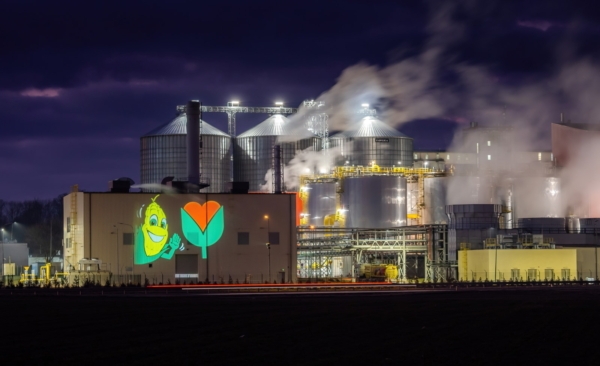
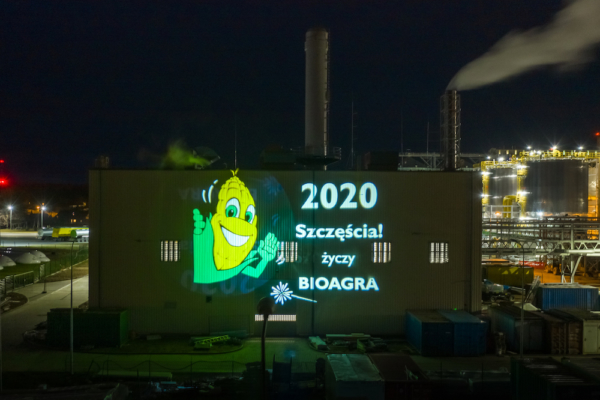
Bioagra has launched probably the largest Christmas illumination in the region.