Aktualności
Bioagra Tests Its First Electric Truck
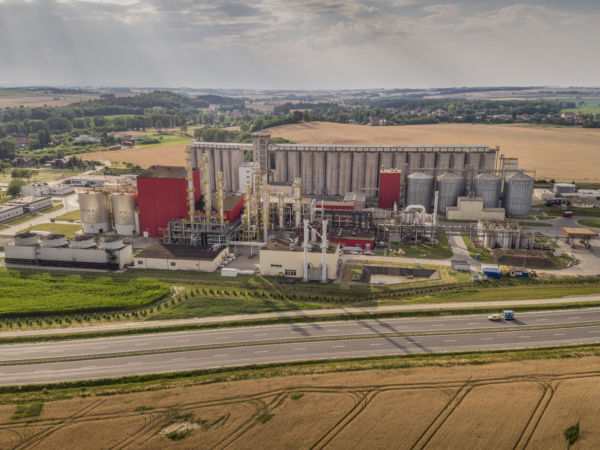
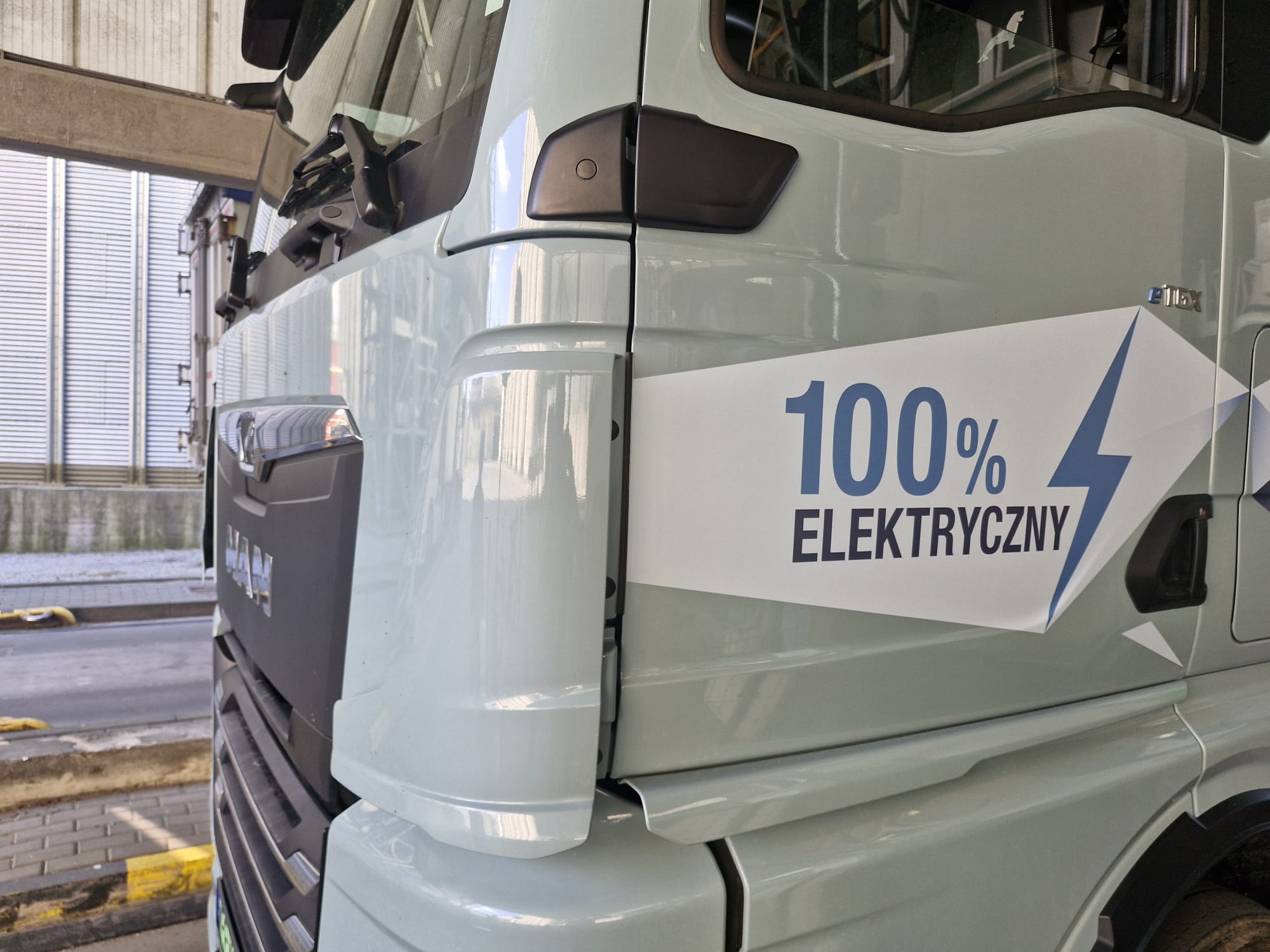
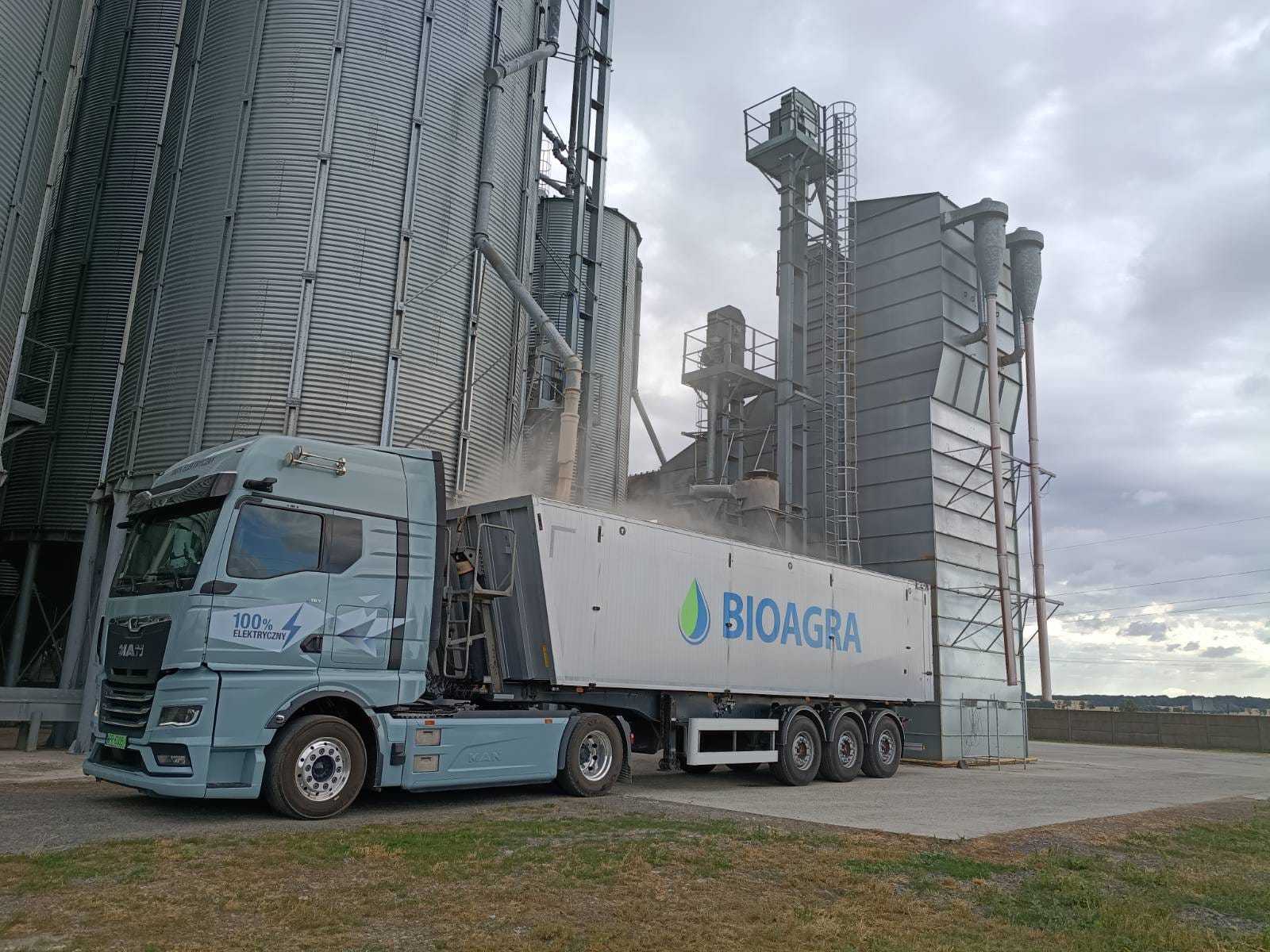
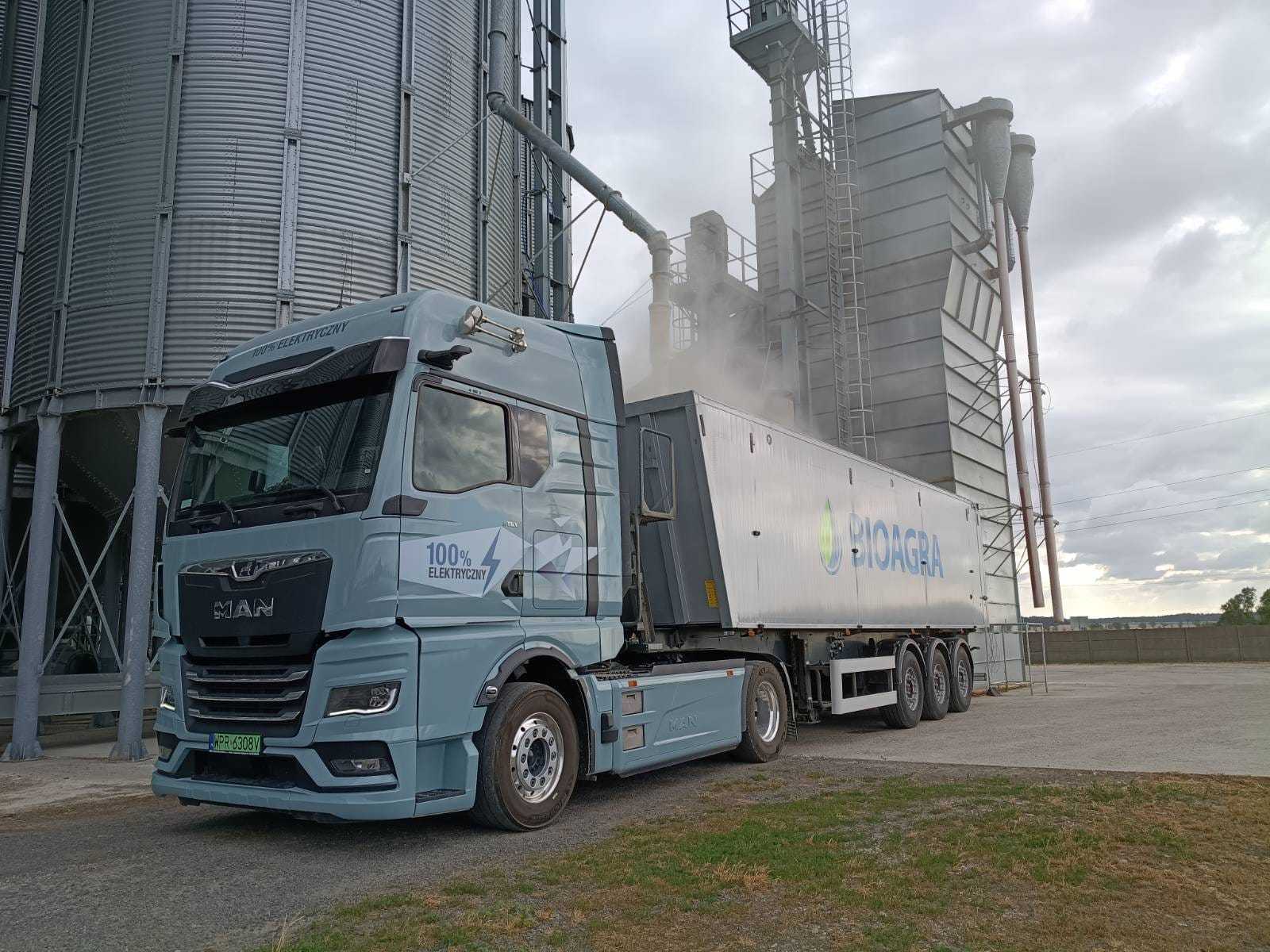
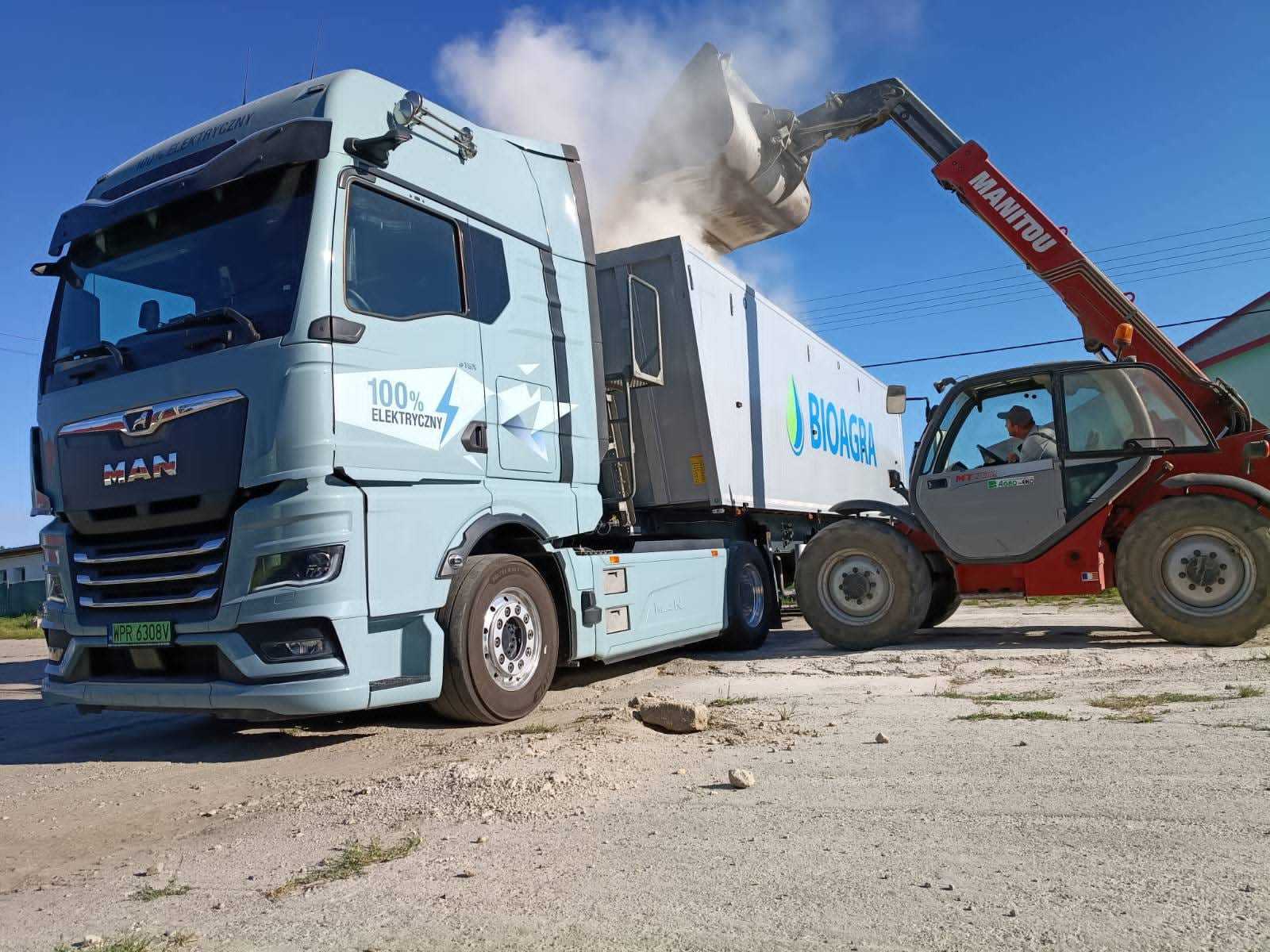
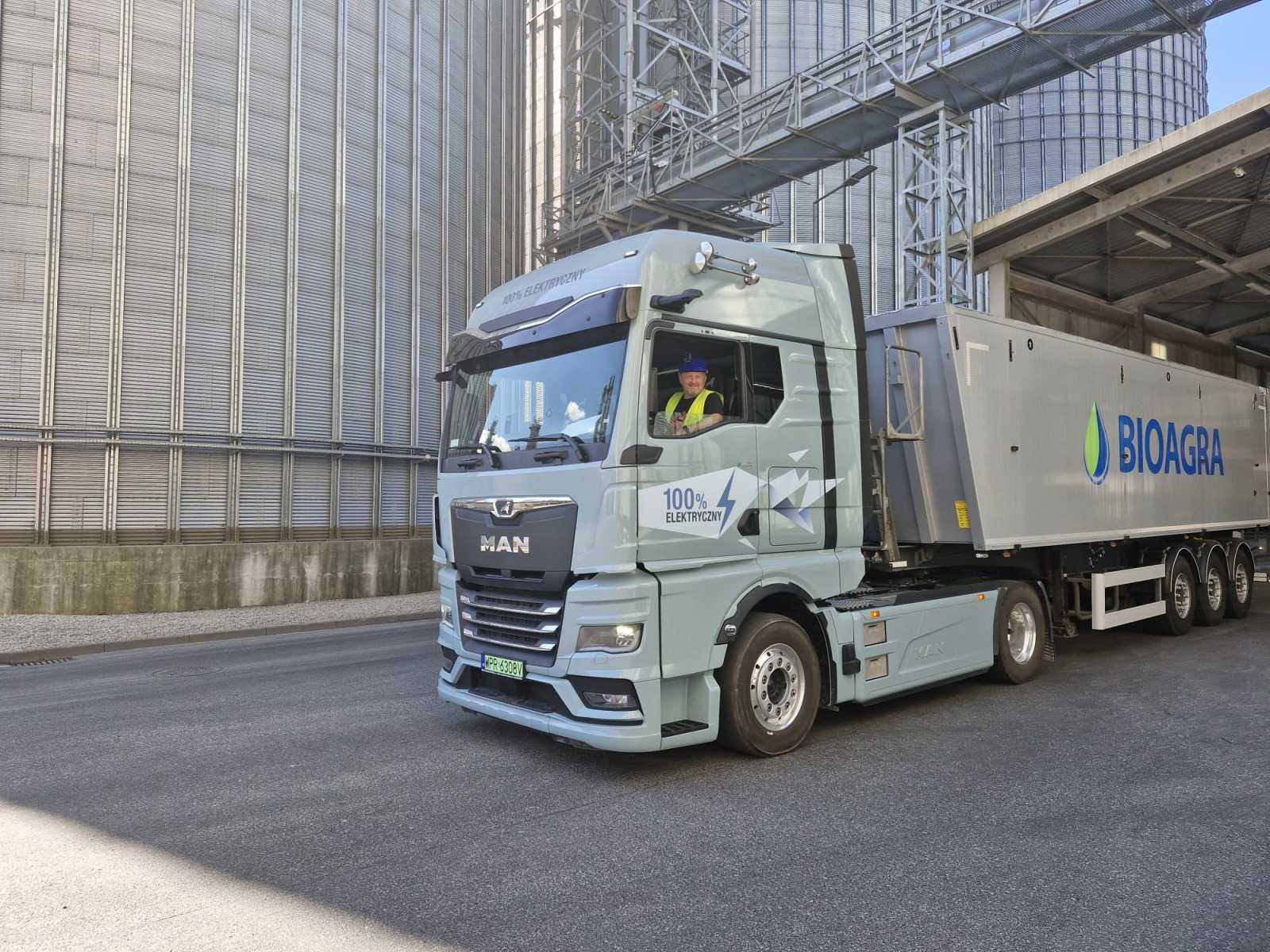
The Ethanol Production Plant has tested an electric semi-truck in Nysa. Performance, quiet operation, and potential cost savings are the defining features of this vehicle.
The company evaluated how the modern truck handles the real-world road conditions of Nysa County and how its operating costs compare to a traditional diesel engine.
Electric Power Delivers
One of the most surprising observations was the vehicle’s dynamic performance. The driver conducting the tests for Bioagra clearly highlighted that the truck has a substantial power reserve.
That extra power comes in handy on the rolling, hilly terrain of the region. The vehicle climbs hills with great ease, even when fully loaded. The test driver admitted that the truck doesn’t feel like it is straining at all on steep inclines.
4 Gears and Digital Screens
The interior of the electric truck represents a true revolution in driver ergonomics, explains Tomasz Pohl, Logistics Manager supervising the test.
“The most immediately noticeable change is the complete replacement of traditional side mirrors with a camera system,” says Pohl. “The feed is displayed on special screens mounted inside the cab. This setup challenges old habits and aligns with the modern character of the vehicle.”
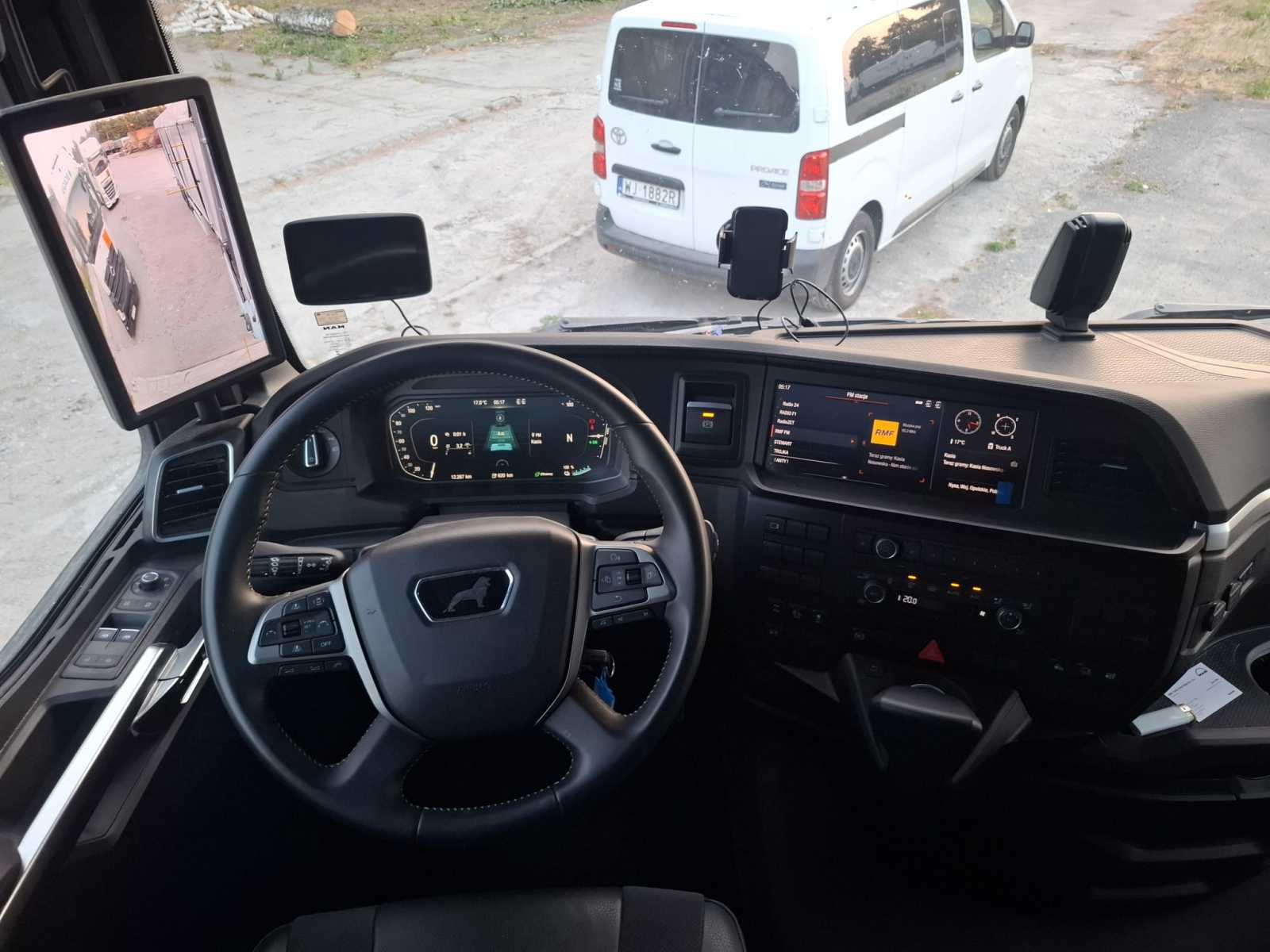
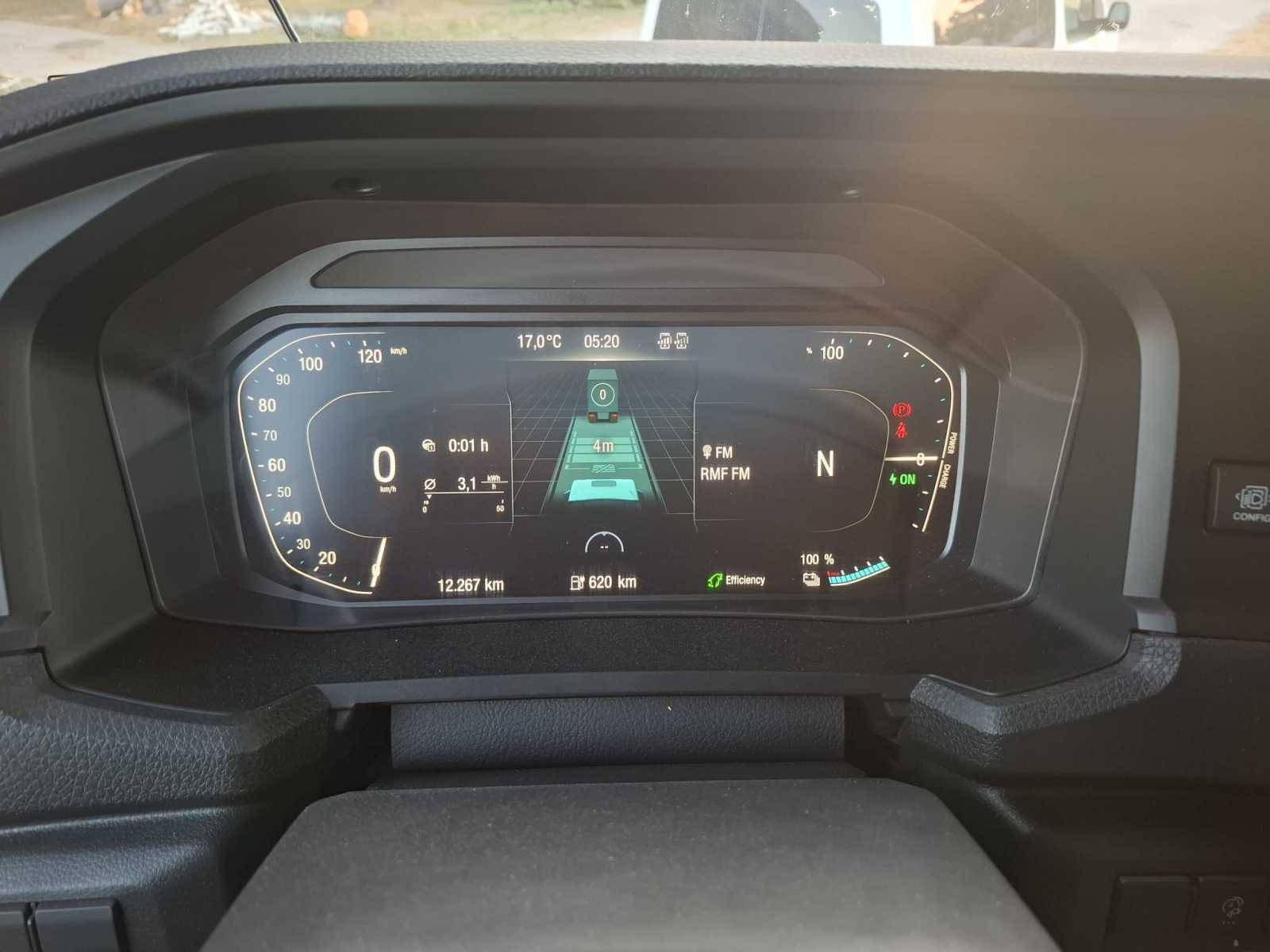
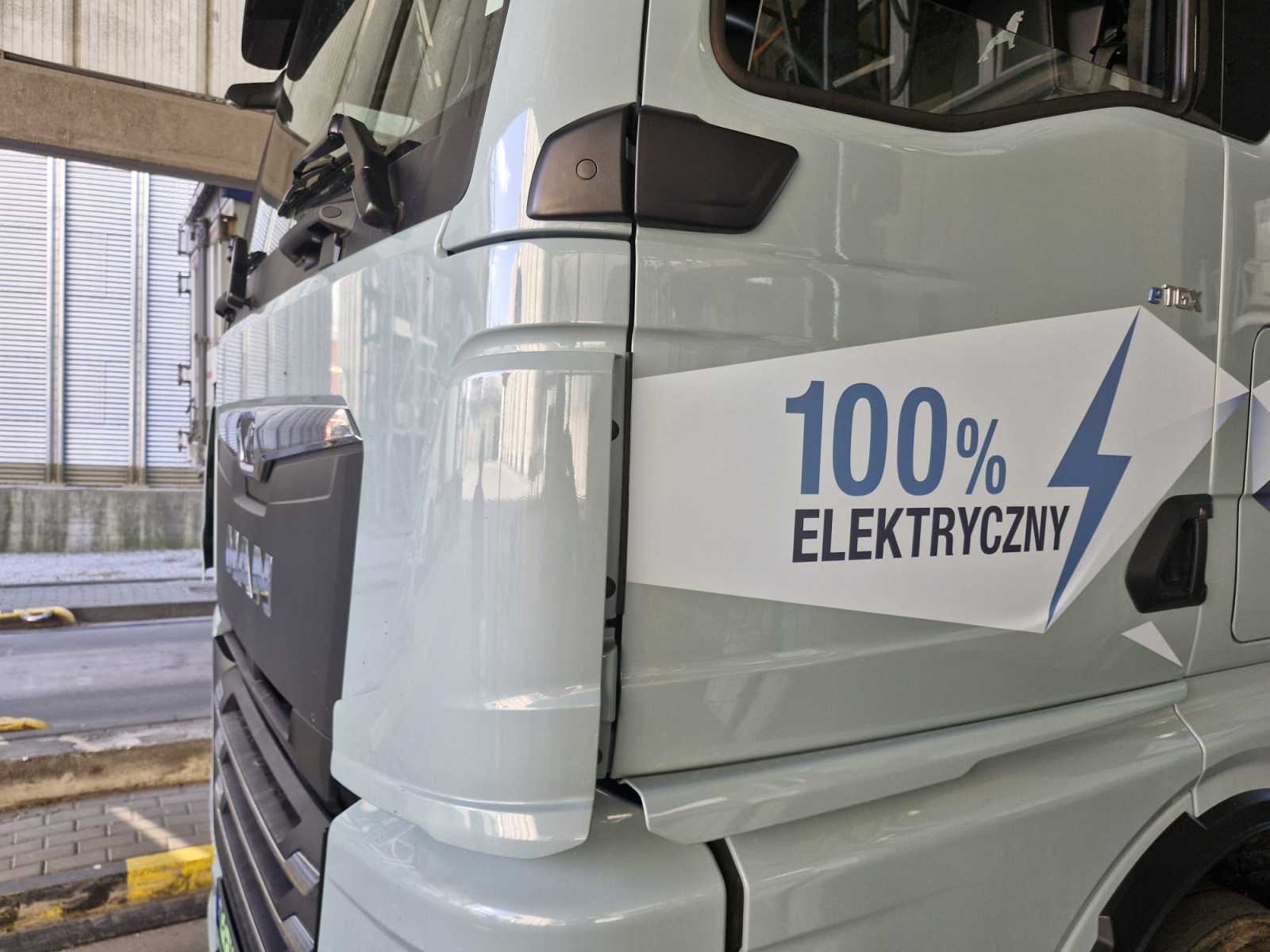

Another technological highlight is the powertrain. While traditional combustion trucks require complex transmissions—typically with 12 to 16 gears (though 18-speed versions also exist)—their electric counterpart performs flawlessly using just 4 gears.
Rounding out the experience is the absence of engine noise typically associated with heavy trucks. Inside the cab of the electric tractor unit, it is quiet, which helps reduce driver fatigue.
The Magic of Regeneration
Many myths surround the range of electric trucks, but Bioagra’s test demonstrated solid and predictable performance parameters. The official range of the vehicle is up to 400 km. A real-world road test confirmed these claims: after covering a distance of over 360 km, the battery indicator still showed 20% remaining capacity.
The key to optimizing performance is regenerative braking—a system that recovers energy during braking and downhill driving. In a standard mixed cycle (driving fully loaded one way and empty back, or vice versa), the tested truck consumed around 100 kWh per 100 km. However, by skillfully using the terrain and leveraging regenerative braking, the test driver managed to lower that consumption to just 80 kWh per 100 km.
How much is 80 to 100 kWh of energy? It is enough to continuously power a modern television for about 33 to 42 days.
Niższe koszty, wyższa cena wejścia
Lower Running Costs, Higher Upfront Price
In terms of energy costs per kilometer, a well-driven electric truck can compete directly with traditional diesel engines. However, the condition is having dedicated charging infrastructure at the logistics hub. In real-world logistics, charging time remains a challenge for these builds, as the vehicle cannot make deliveries while charging its battery. Additionally, vehicles of this type remain more expensive upfront than traditional semi-trucks.
Nevertheless, Bioagra’s tests prove that electric truck technology has matured and is capable of meeting the demands of rigorous daily operations on regional routes around the production facility.
Inne aktualności















AKTUALNOŚCI | 24.12.2018
10 story Mr. Corn
Bioagra has launched probably the largest Christmas illumination in the region.