Category: aktualności- strona główna
Aktualności
Bioagra hands out 1000 liters of disinfectant liquid
Bioagra SA donated 1000 liters of DEZPOWER disinfectant liquid to the Nysa Commune for free to support the region in the fight against coronavirus. This is another initiative of the company, which since April this year has been helping the commune, hospitals, fire brigades, schools and residents of Nysa and the surrounding area in the fight against the pandemic.
The difficult epidemiological situation requires constant access to protection measures, such as the DEZPOWER produced by Bioagra, which effectively destroys the SARS-CoV-2 coronavirus. The ethanol in the liquid damages the microbial cover, which leads to its disintegration. DEZPOWER is intended for general use. It was made of pharmaceutical grade ethanol and the best fragrance additives available on the European market.
The fluid handed over to the Nysa Commune is ultimately used by many local municipal institutions and institutions, e.g. the Municipal Social Welfare Center or the Municipal Communication Center. DEZPOWER helps to protect MZK passengers. It is used, among others for decontamination of buses and stops.
At the beginning of the school year, when schools were affected by COVID-19, the company provided disinfectant liquid to several dozen educational institutions in the commune, where almost 10,000 children and adolescents study and nearly 1,300 people work.
Since the beginning of the pandemic, Bioagra SA has provided a total of several thousand liters of disinfecting liquid, to the infectious diseases hospital in Nysa and hospitals in Głuchołazy, fire brigades or churches. In April 2020, at the peak of fluid demand, the company also launched the sale of a specially produced fluid to the Ethanol Production Plant.
Inne aktualności









AKTUALNOŚCI | 24.12.2018
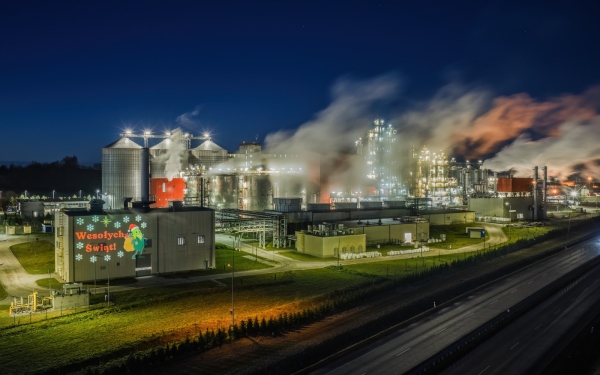
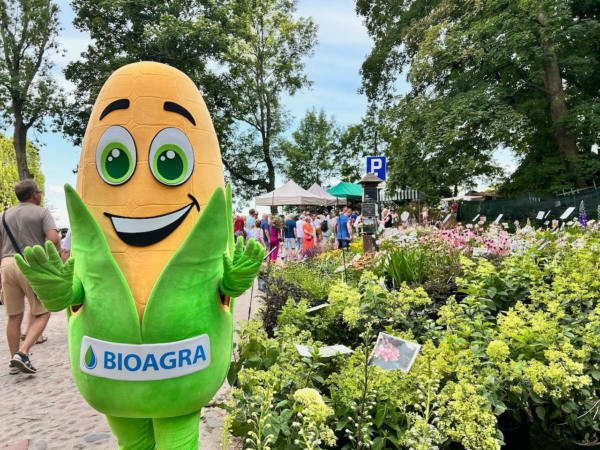
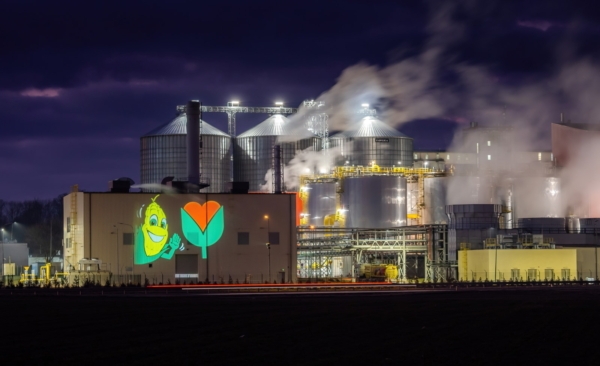
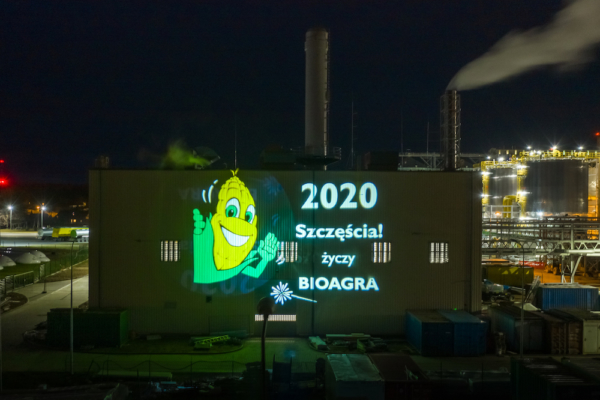
10 story Mr. Corn
Bioagra has launched probably the largest Christmas illumination in the region.



Aktualności
Bioagra disinfects the air non-stop
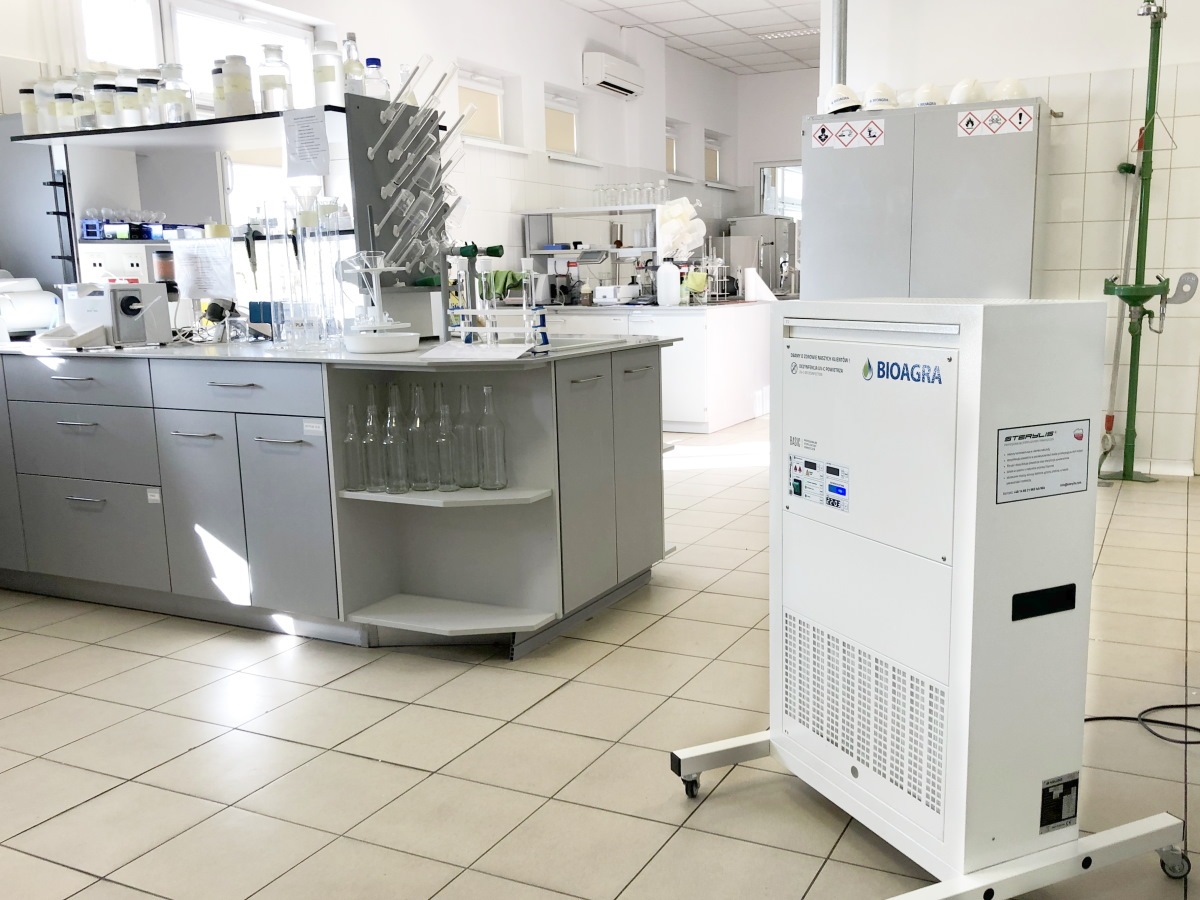
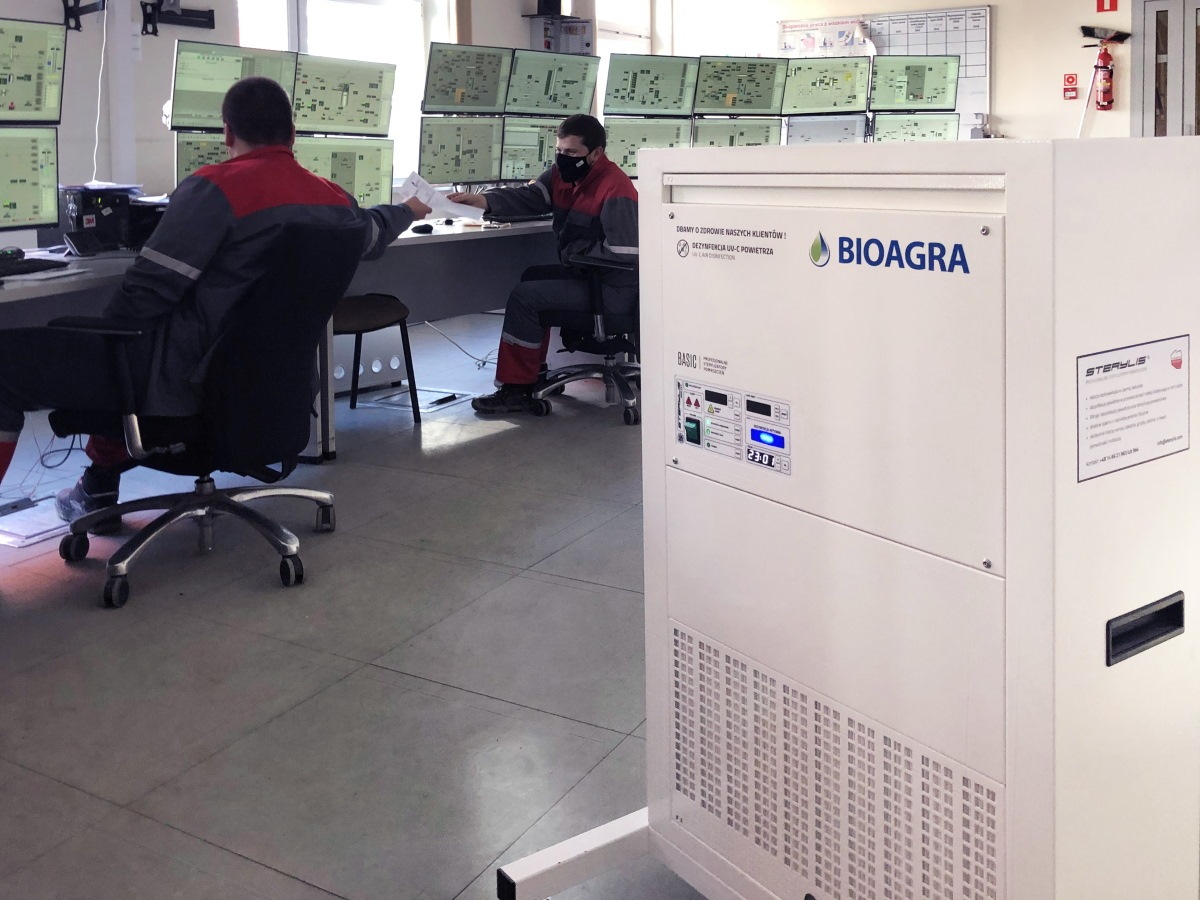
Bioagra, as part of maximizing the protection of the crew against the pandemic, implemented non-stop air disinfection in rooms where employees are. The devices used by the company safely purify the air from pathogens using UV-C radiation. They operate in many places: in the chemical and grain laboratory, in rooms where logistics and warehouse workers work, in the plant control room and in offices.
For air disinfection at the “Goświnowice” Ethanol Production Plant, the company uses devices that purify the air on carbon filters with silver ions and disinfect with UV-C radiation with a wavelength of 254 nanometers (the most effective in the fight against various pathogens).
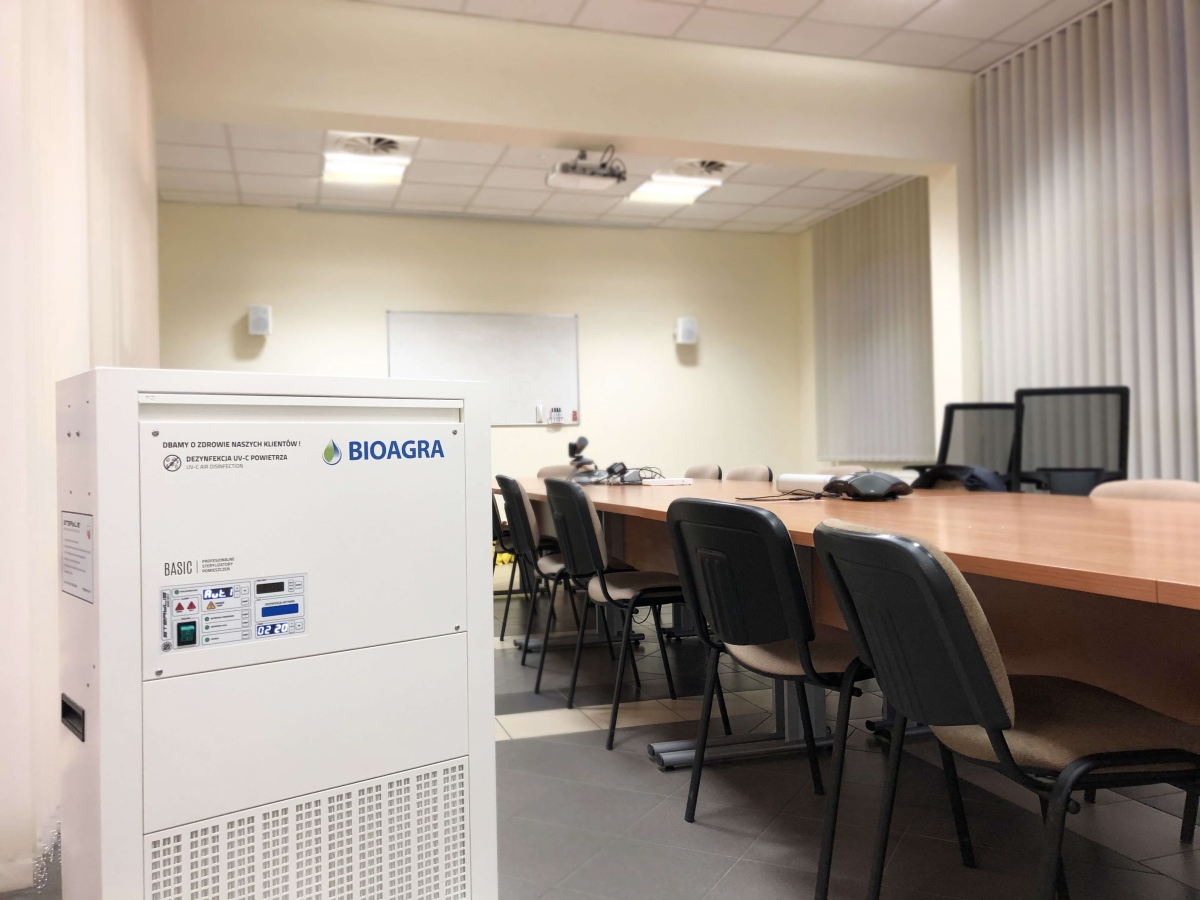
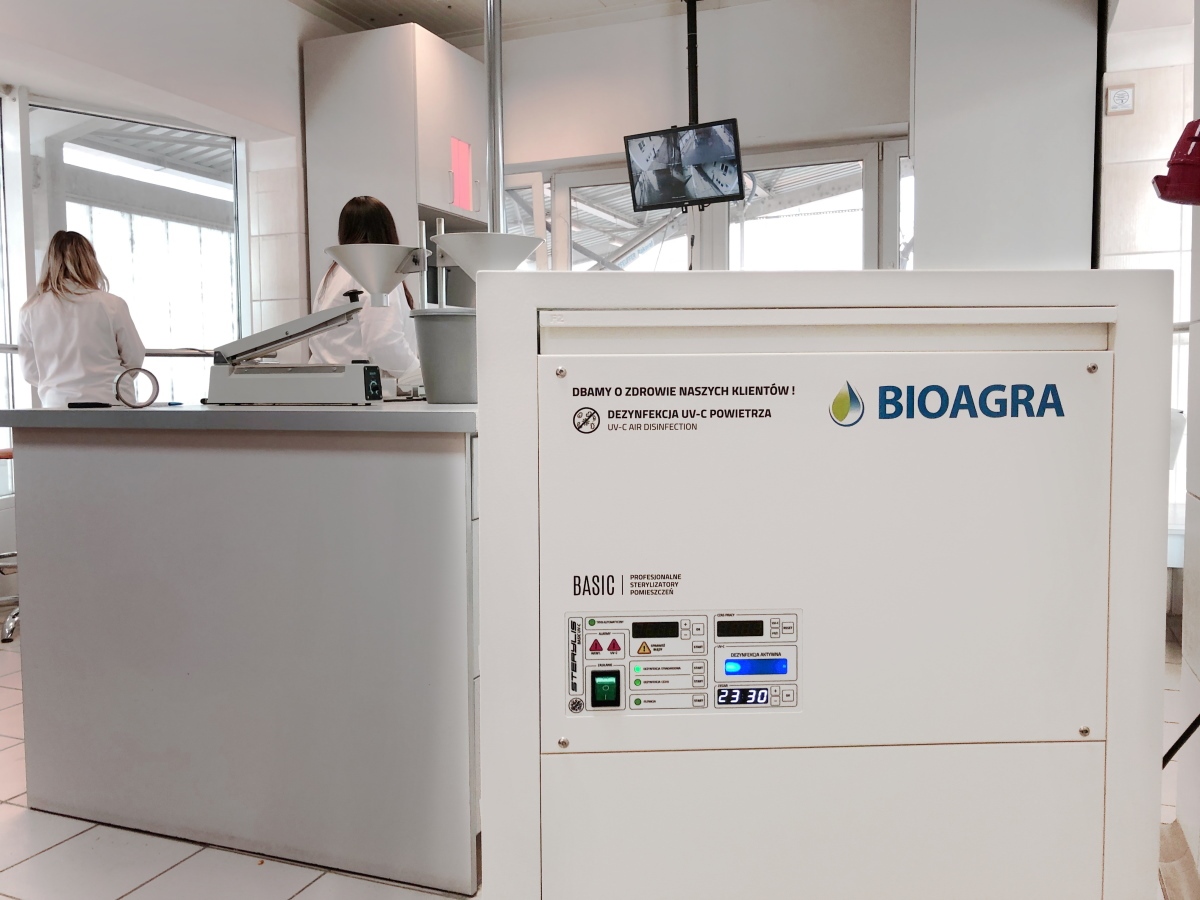
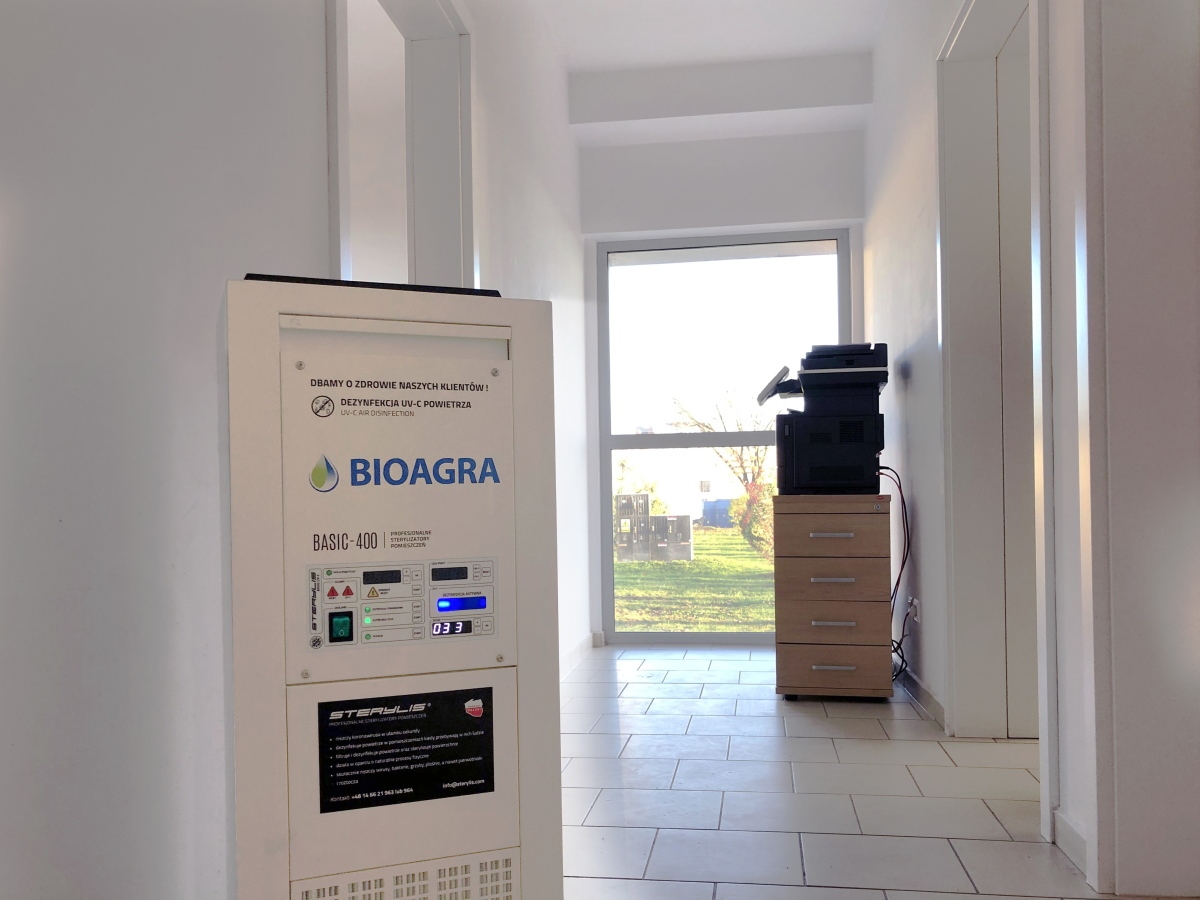
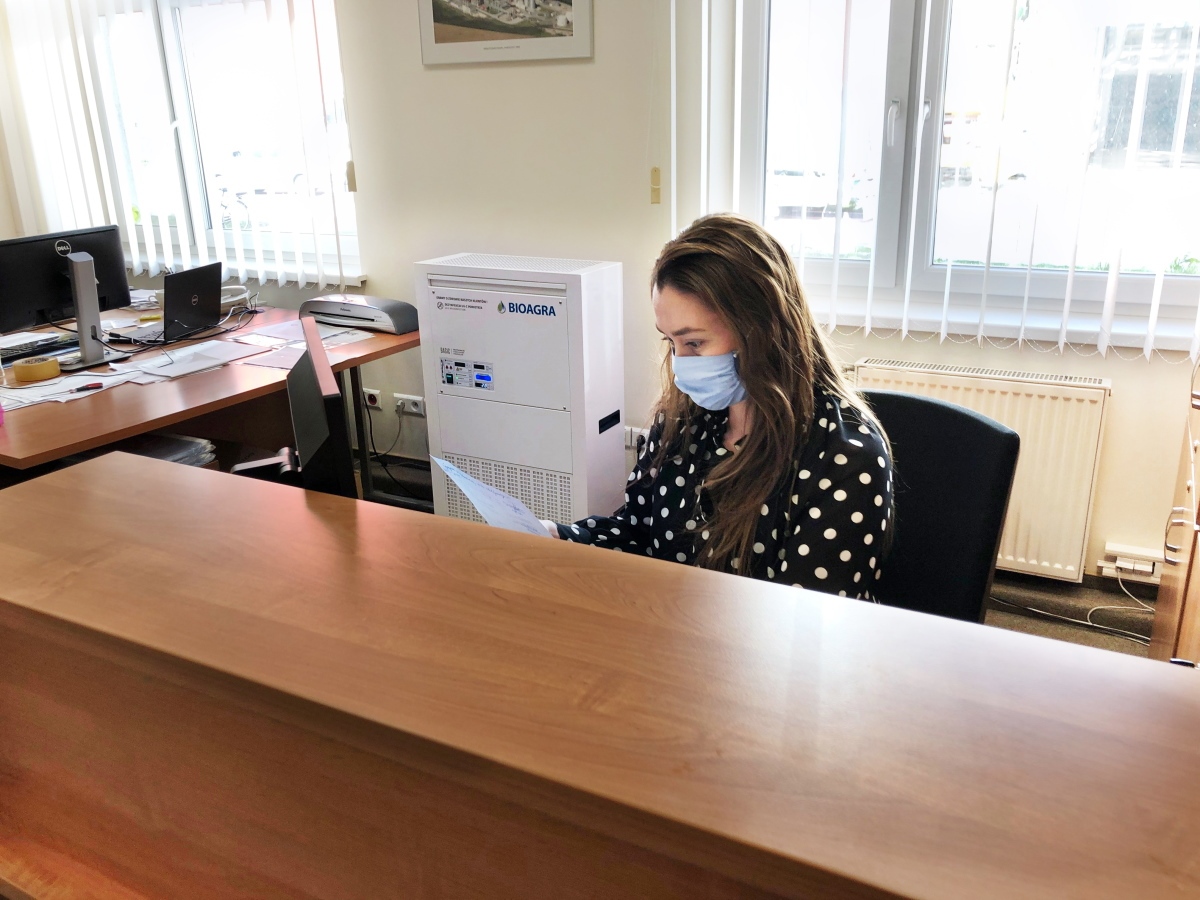
Bioagra decided to increase worker protection and non-stop air disinfection, when the US government agency CDC (Centers for Disease Control and Prevention, the equivalent of the Chief Sanitary Inspectorate) took into account the risk of transmission of coronavirus by air. This applies to microscopic virus-containing particles that are emitted while talking or just breathing.
Particles of this type can stay in the air for up to 12 hours, which is long after the infected person has left the room. They can travel far from the source of the emission, so the risk of infection gradually spreads over an increasing area, until it covers the entire room. For this reason, constant cleaning of indoor air plays a significant role in maximizing safety during a pandemic.
Bioagra used Sterylis devices certified by the National Institute of Public Health of the National Institute of Hygiene and laboratory measured safety in the field of UV-C. The devices have also undergone tests at the Collegium Medicum of the Jagiellonian University and are used, inter alia, in in private and public hospitals, health clinics and doctor’s offices, as well as in many retail outlets throughout the country.
Inne aktualności
AKTUALNOŚCI | 24.12.2018
10 story Mr. Corn
Bioagra has launched probably the largest Christmas illumination in the region.
Aktualności
An avenue of trees is being built at the “Goświnowice” Ethanol Production Plant
Bioagra continues planting trees around the “Goświnowice” Ethanol Production Plant. This week, over 170 several-year-old trees have been planted, which will constitute an avenue along the Nysa ring road and the access road to the company.
Trees from 6 to 8 years old, which usually grow in the Opole region, were selected for planting, e.g. small-leaved and silver linden, cherry plum or rowan. The trees will affect the aesthetics of the factory surroundings, as well as contribute to reducing the noise level from the production installation.
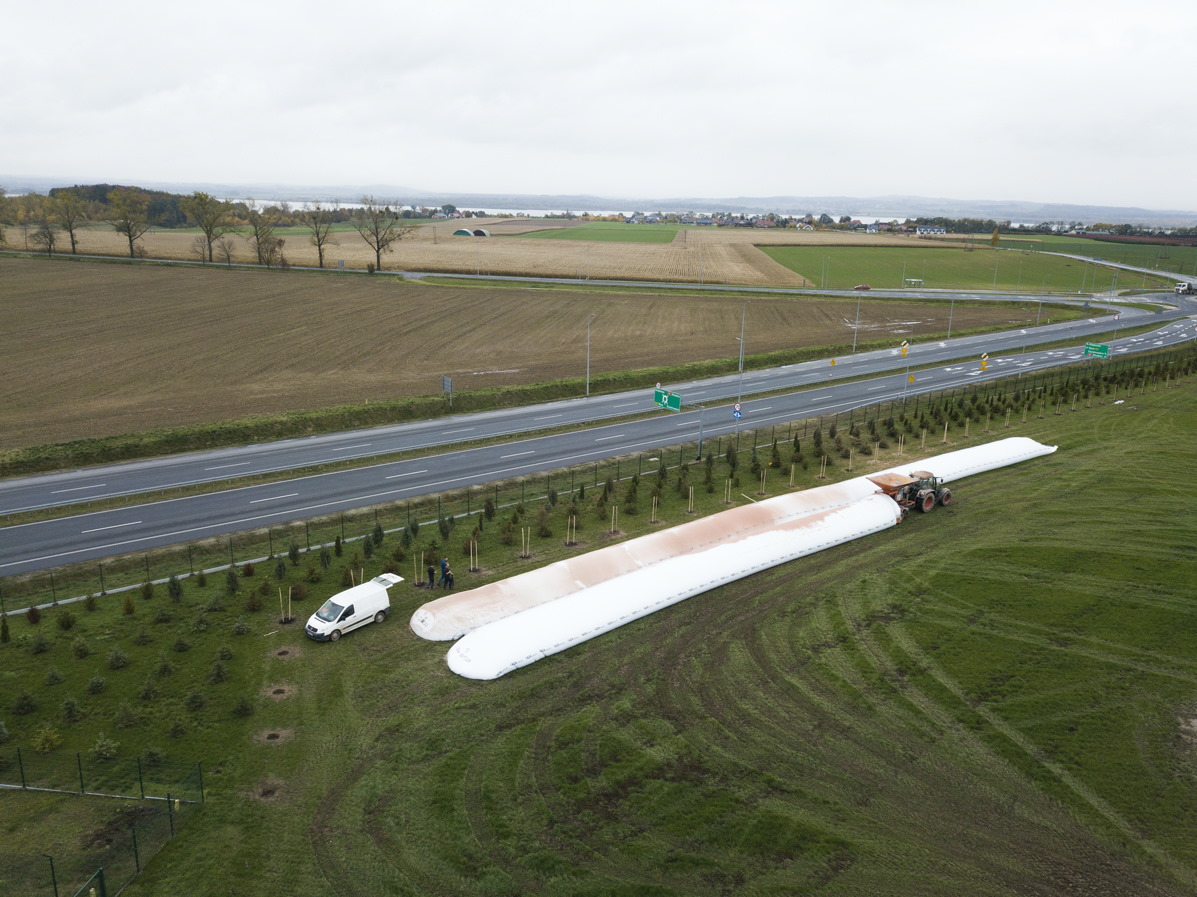
The new trees will introduce the necessary biodiversity and enrich the surroundings with color. The maroon leaves of the cherry plum will strongly contrast with the silver-green coverings of the linden trees and the colors of the Serbian spruce, black pine and cypress trees already growing around the plant.
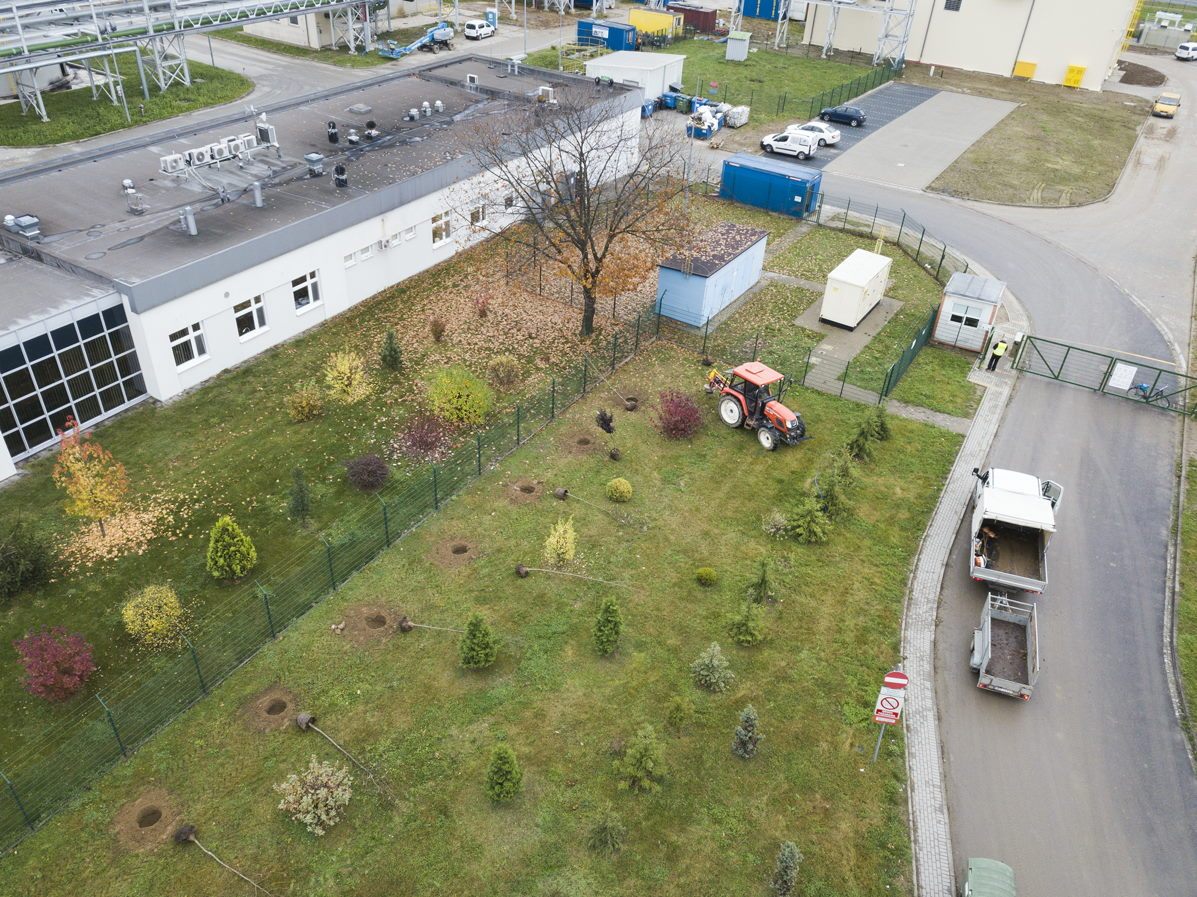
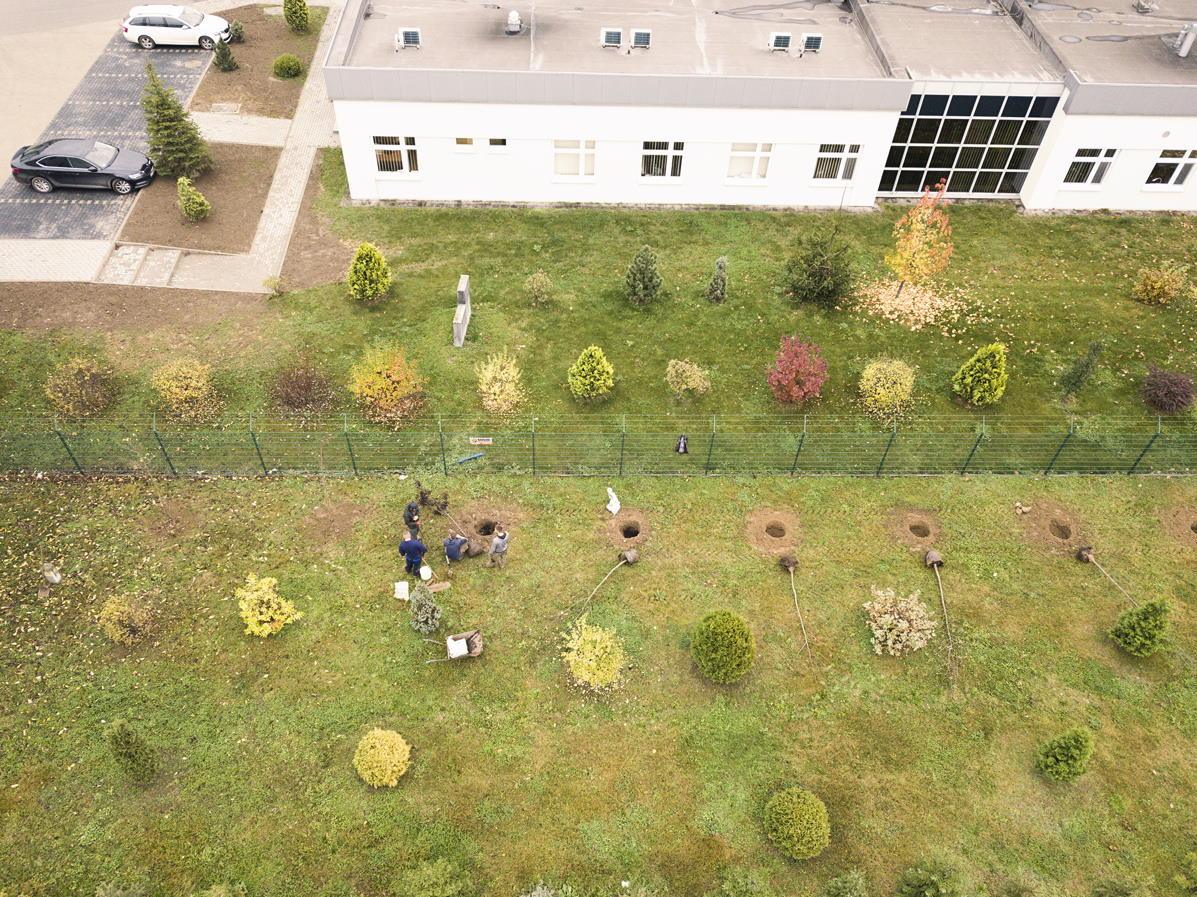
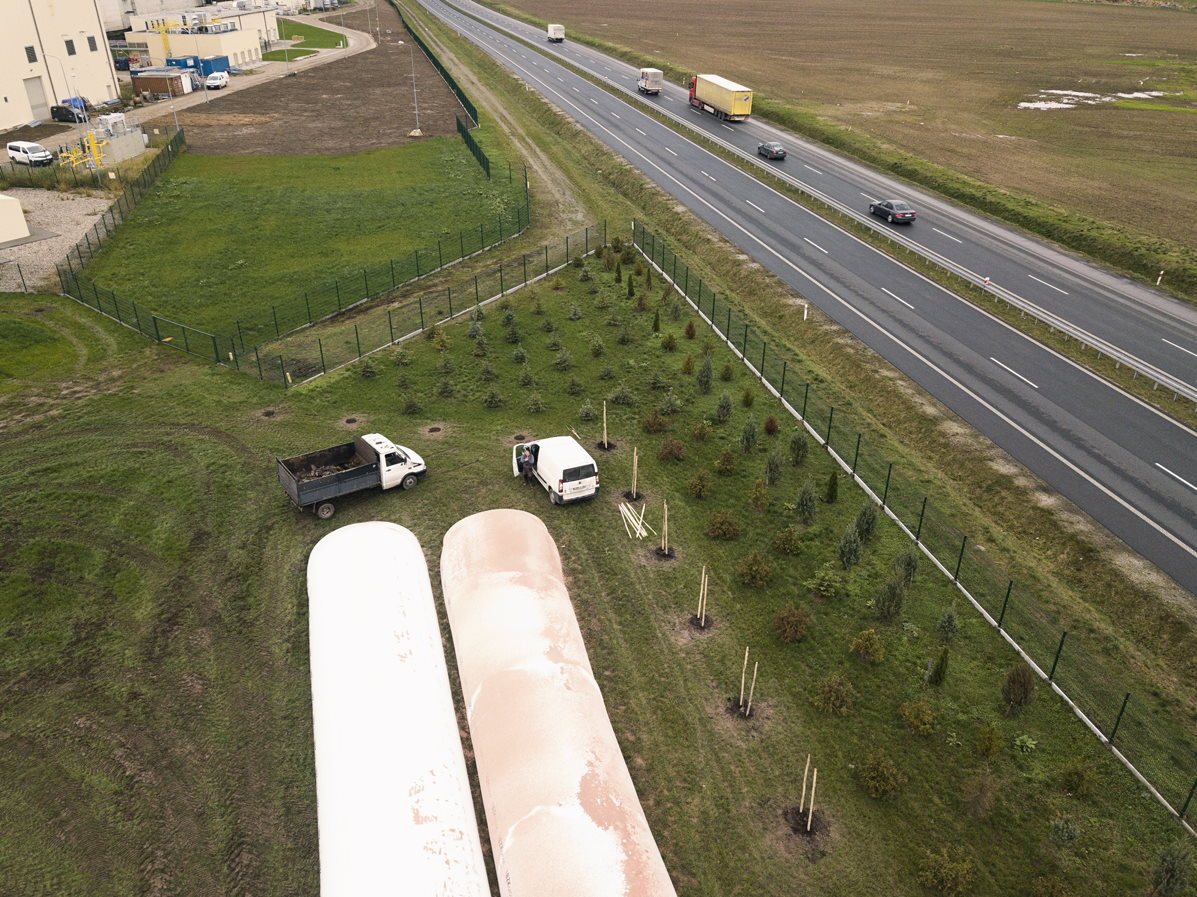
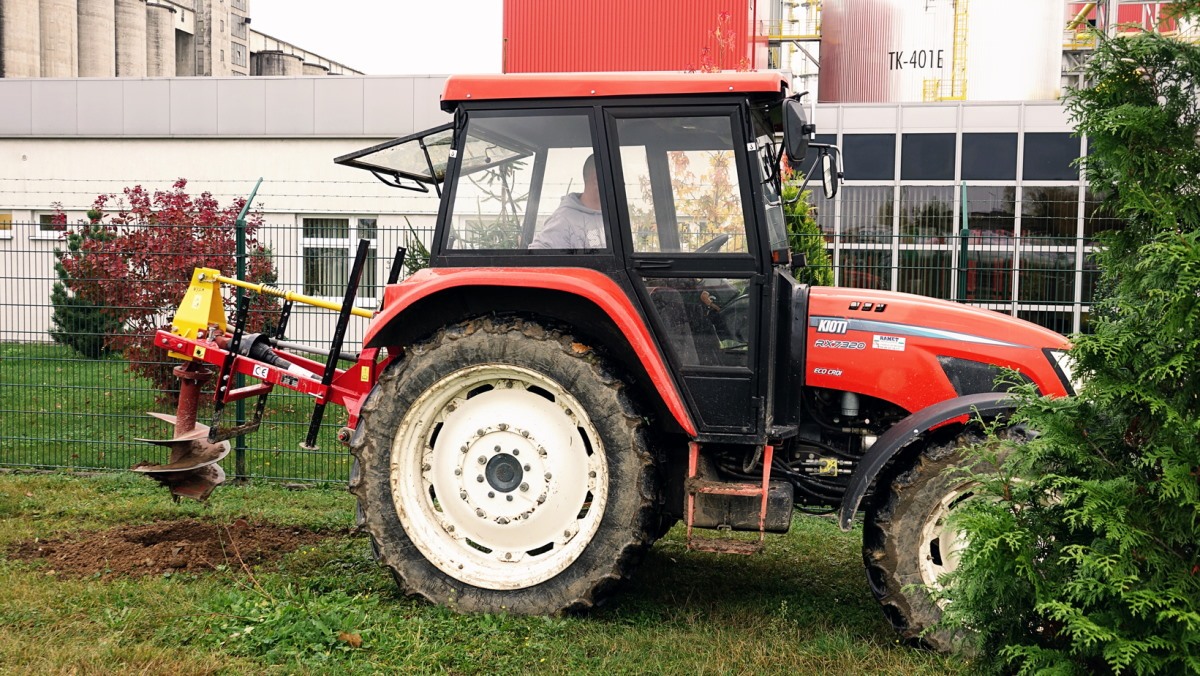
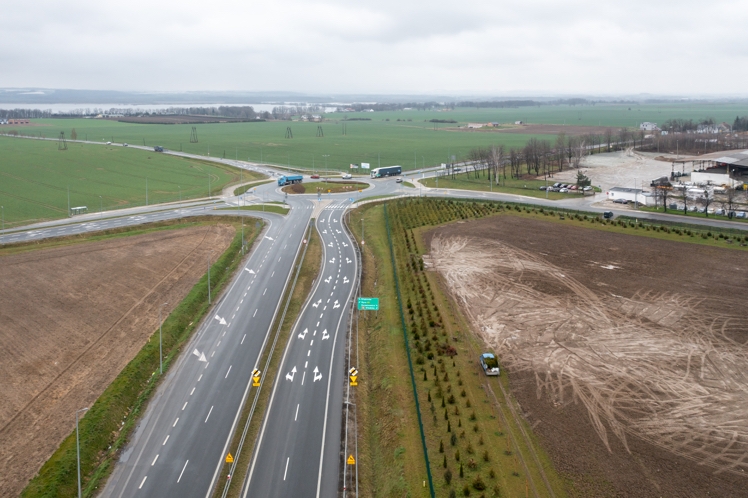
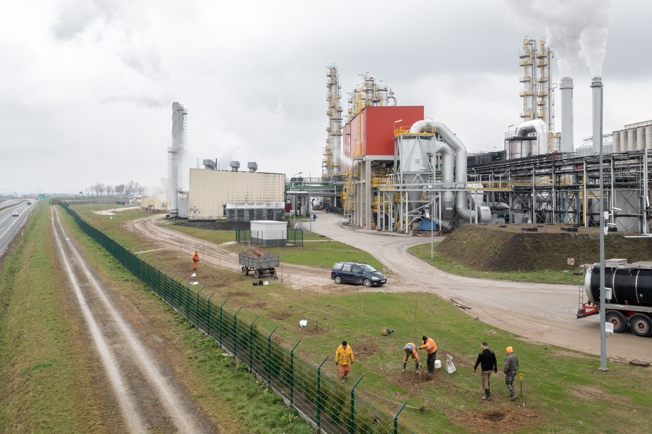
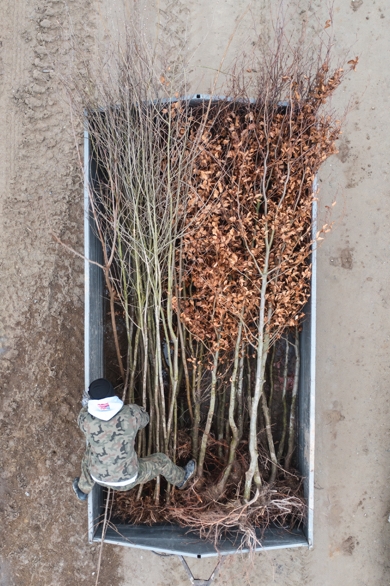
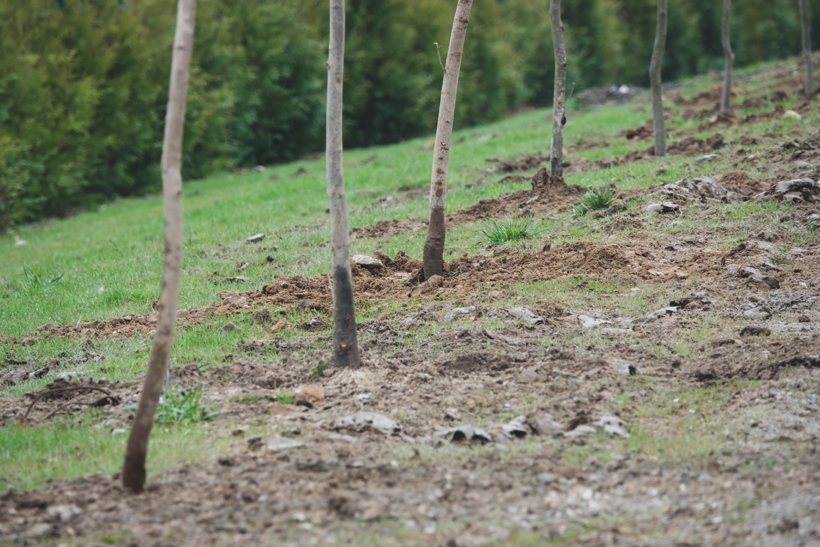
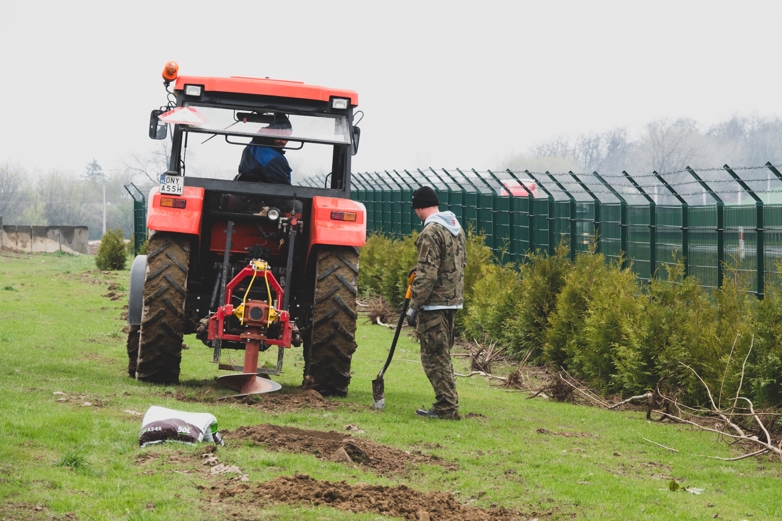
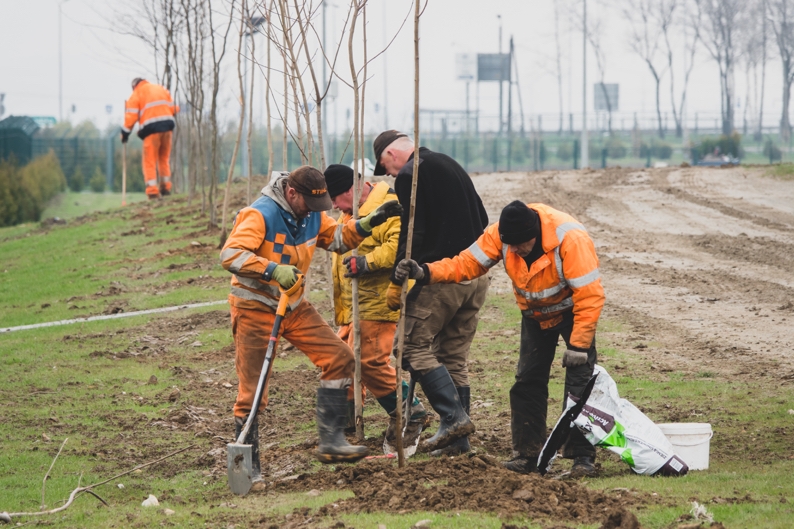
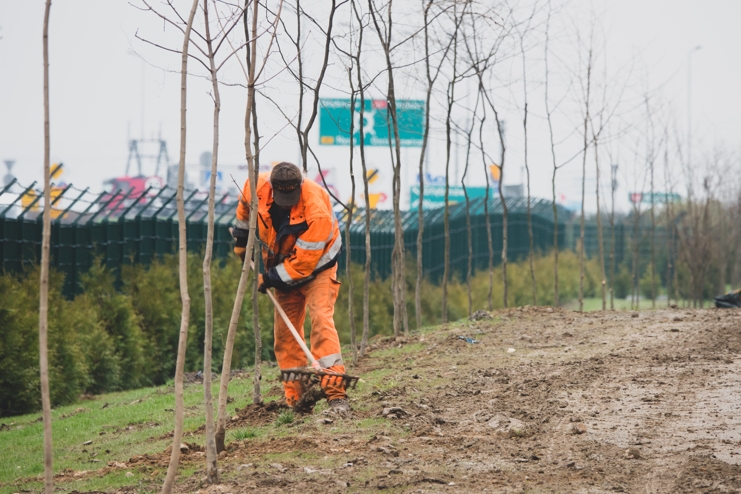
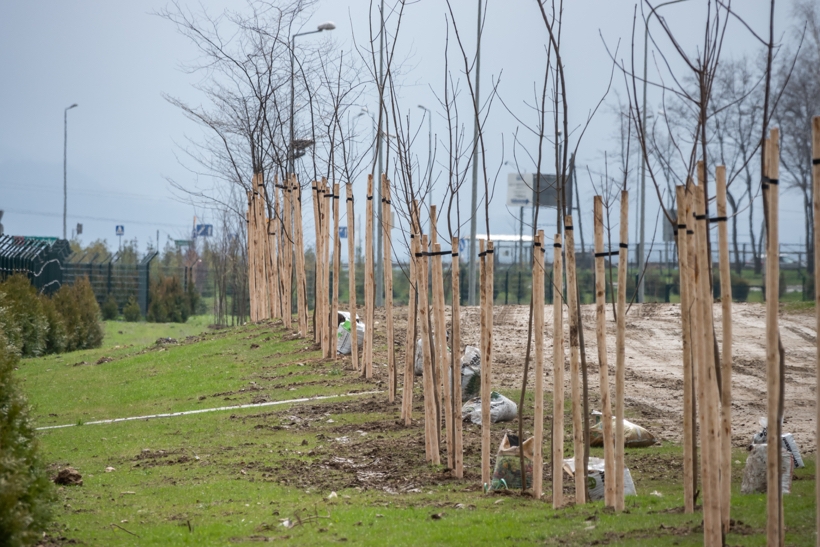
Bioagra emphasizes that the scale of spring and current plantings is very large. The company has planted more trees around the “Goświnowice” Ethanol Production Plant than Rzeszów in the entire city with nearly 200 000 inhabitants. The company has been planting trees intensively since 2018. The costs, without ongoing maintenance, i.e. watering and protection, have already amounted to several hundred thousand zlotys.
Inne aktualności
AKTUALNOŚCI | 24.12.2018
10 story Mr. Corn
Bioagra has launched probably the largest Christmas illumination in the region.
Aktualności
Bioagra disinfectant in schools in the Nysa county
Bioagra SA runs another regional initiative supporting the fight against coronavirus. The company will provide nearly two and a half thousand liters of DEZPOWER disinfectant liquid for free to educational institutions from the Nysa county.
Bioagra’s campaign will cover several dozen educational institutions with almost 10,000 children and adolescents and nearly 1 300 people. These are primary and secondary schools, school and education centers, as well as kindergarten teams. Nearly two and a half thousand liters of DEZPOWER liquid for disinfecting hands and surfaces will be delivered to facilities.
The disinfectant fluid that Bioagra produces effectively destroys the SARS-CoV-2 coronavirus. It is made of the highest quality ethanol and the best fragrance additives available on the European market. The product has been registered and admitted to trading by the Office for Registration of Medicinal Products, Medical Devices and Biocidal Products.
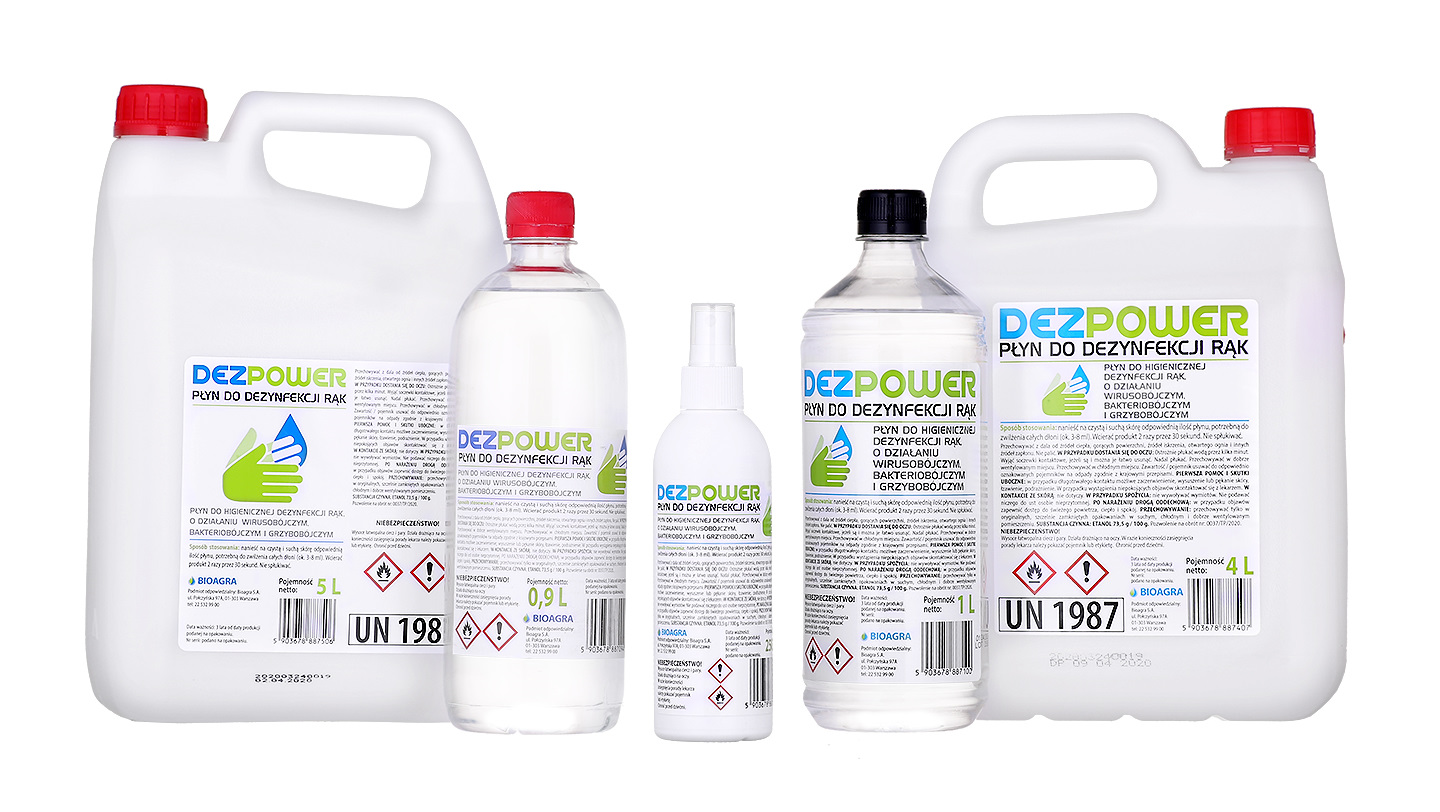
The current action is another action of the company aimed at the education sector. In June and August this year the company distributed several hundred liters of disinfectants to public and private kindergartens and nurseries.
In April this year Bioagra donated 7 000 liters of DEZPOWER fluid to the local government in Nysa, the infectious diseases hospital in Nysa and Głuchołazy and several other medical units, fire brigades and churches.
Inne aktualności
AKTUALNOŚCI | 24.12.2018
10 story Mr. Corn
Bioagra has launched probably the largest Christmas illumination in the region.
Aktualności
Bioagra planted 2 600 trees
Within two years, Bioagra SA planted nearly 2 600 trees around the “Goświnowice” Ethanol Production Plant. When they grow, they will act as a barrier to the sound generated by the plant and improve the aesthetics of the space.
The scale of the project is very large. This year, Bioagra will plant more trees in the vicinity of ZPE than Rzeszów in the entire city, with a population of nearly 200 000. The cost of planting, without ongoing maintenance, i.e. watering and protection, has amounted to a total of approx. 275k PLN
The company has been planting trees intensively since 2018. Seedlings from 1.5 to 4 meters high were used to create a green wall around the plant. The trees are to improve the aesthetics of the factory surroundings in summer and winter, as well as contribute to reducing the noise level from the production installation.
This year, the company plans to plant nearly 1,200 trees and further enhance biodiversity. So far, mainly conifers have been planted. However, new plantings of deciduous trees, such as linden or hawthorn, will appear in the fall.
Aesthetic trees resistant to weather conditions, diseases and pests were selected for planting. At the moment there are Serbian spruces, blue spruces, black pines, alumi cypresses and thujas “Sarbina”, “Kórnik” and “Brabant”.
The green wall of trees is just one of the elements of BIOAGRA SA’s activities aimed at reducing the noise generated by the production installation. In addition to planting, a number of other activities were carried out on the site. The loudest and most acoustically disturbing devices were located.Various silencers were installed, the devices were replaced with new ones and natural acoustic walls in the form of grain tanks were built. Further activities of this type are planned.
Inne aktualności
AKTUALNOŚCI | 24.12.2018
10 story Mr. Corn
Bioagra has launched probably the largest Christmas illumination in the region.
Aktualności
Queens at Bioagra
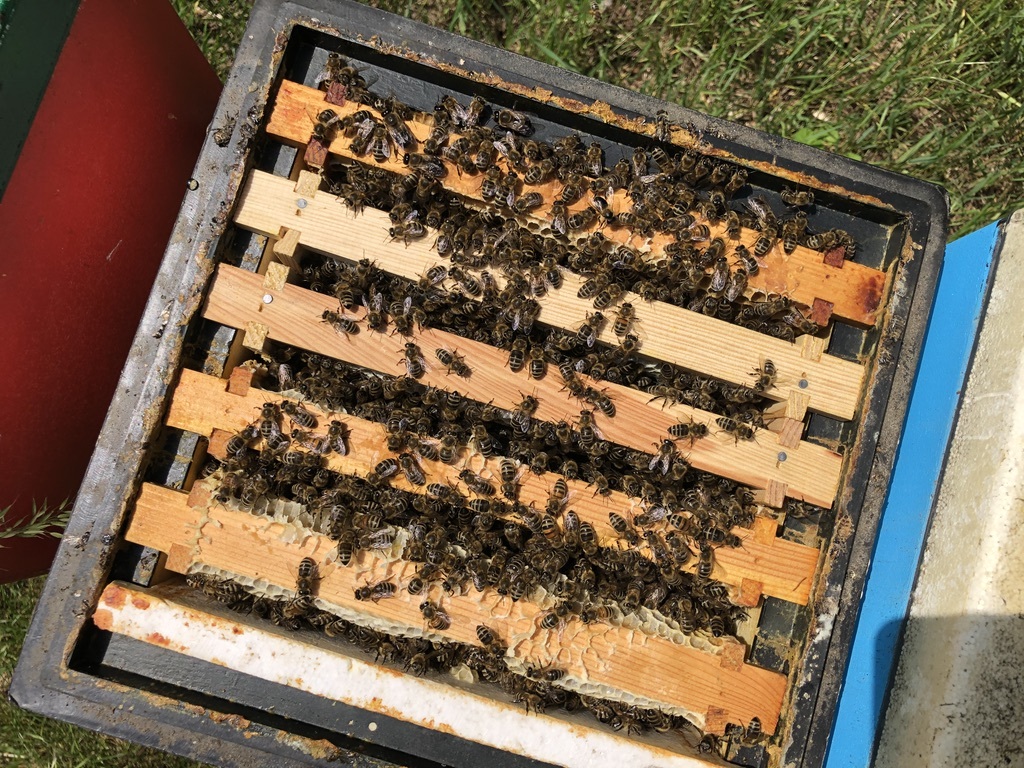
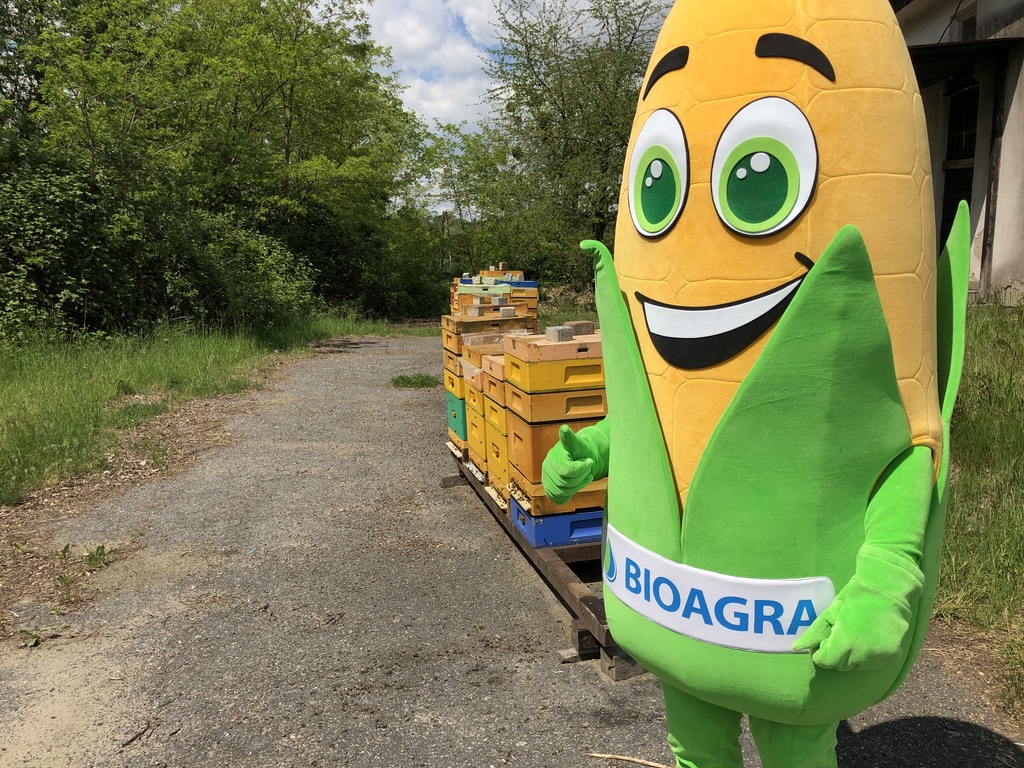
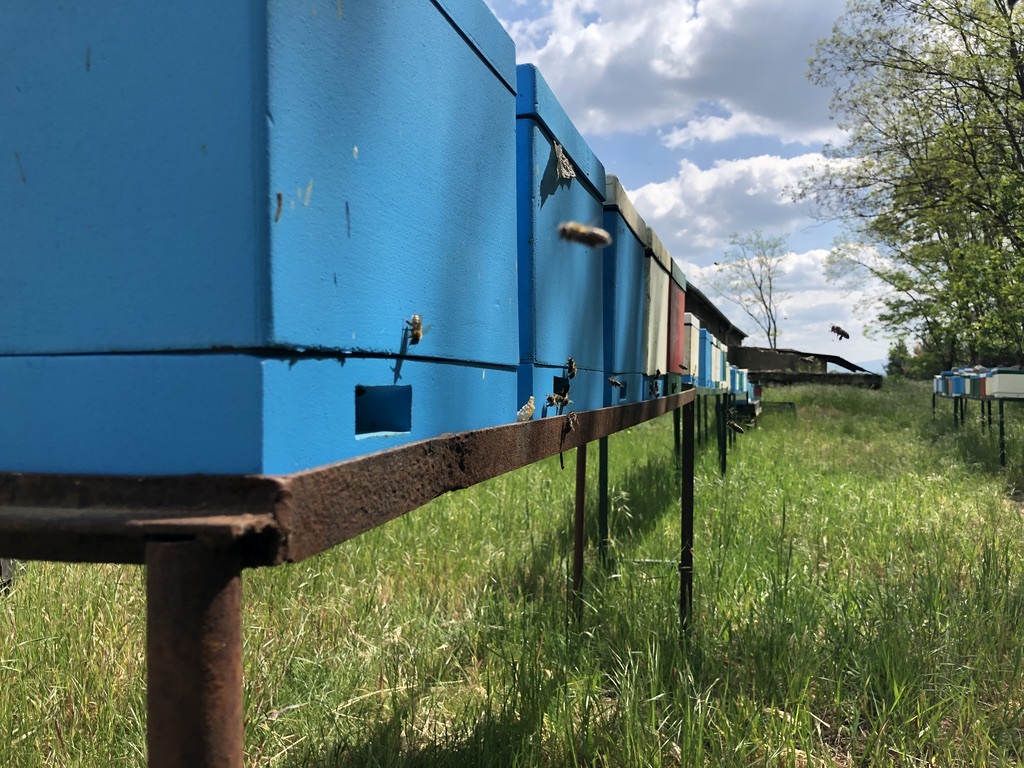
Beata Malik, a beekeeper from Skorochów near Nysa, runs a bee breeding project in cooperation with Bioagra. In several dozen so-called mating boxes, standing at company’s premises, bees are preparing for mating flights. Classic hives, at which bess laboriously produce honey, are standing next to mating boxes.
The mother bee breeding program has now been running for the third season and brings very good results. New queens and their descendants, bee families, are gentle and hard-working thanks to proper breeding that enables proper gene exchange between insects.
The area that was made available by Bioagra is closed and monitored. Bees live peacefully and have a large supply of varied food under the watchful eye of cameras. Rapeseed fields, acacia, linden and forests are all within the range of flights of insects.
In such a favorable environment, young bee mothers are getting ready for their future role – the queen of the entire bee family. They stay in special hives, the so-called mating boxes. From here they set off for a mating flight. Young queens are replacing the old ones or are introduced into the hive in case the old queen dies.
– We were looking for an area where bees do not disturb people and people do not disturb bees – says Beata Malik, who runs an apiary. – Cooperation with Bioagra is perfect for the bees. The environment in which the hives stand is very clean. The company informs us in advance when works related to its activities will be carried out and we can rearrange the hives if there is such a need.
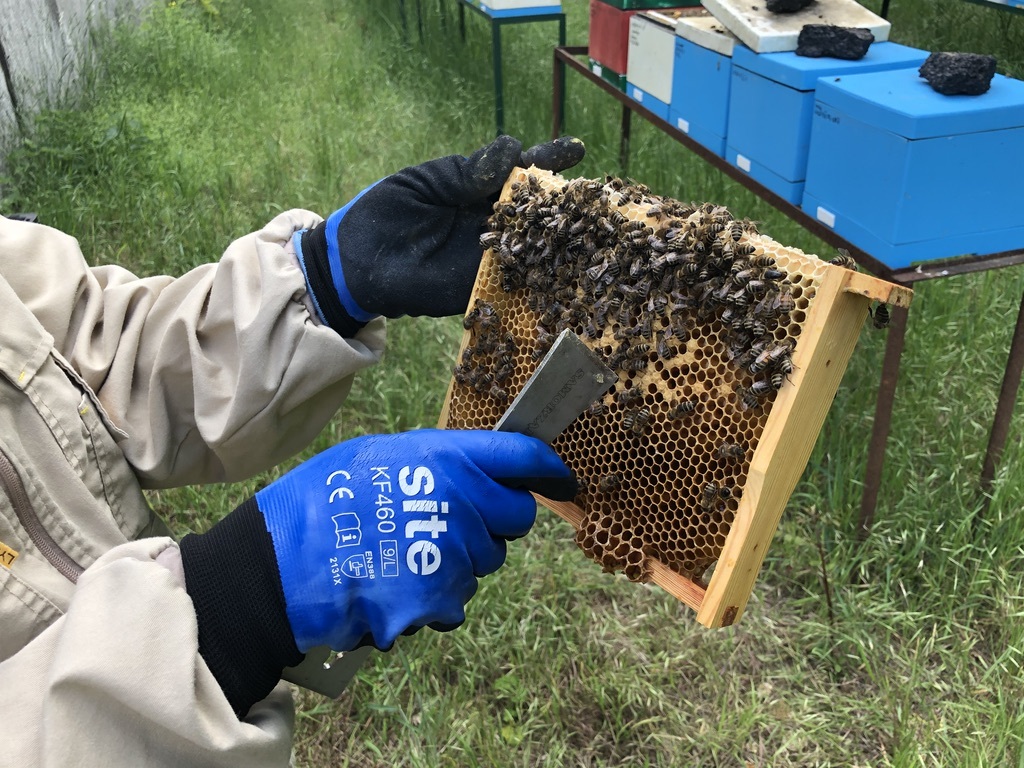
According to the United Nations, bees pollinate about 70 out of 100 crops that provide 90% of humanity. food. It is estimated that a third of food eaten by humans is created thanks to the fact that bees pollinate the flowers of various plants. “If the bees would disappear, humanity would not have survived four years …” – this statement, attributed to Albert Einstein, indicates the importance of the role of bees in the production cycle of food that we buy in stores.
It is estimated that about 470 species of bees live in Poland. Over half of them are threatened with extinction. As Beata Malik explains, bees currently don’t have enough places where they can live safely, reproduce and obtain food. Beekeepers have more and more problems with setting the hives. Like other breeders, e.g. cows, goats or pigs, they are often reluctant to be seen in inhabited places.
Inne aktualności
AKTUALNOŚCI | 24.12.2018
10 story Mr. Corn
Bioagra has launched probably the largest Christmas illumination in the region.